Product Center
Navigation
Product Categories
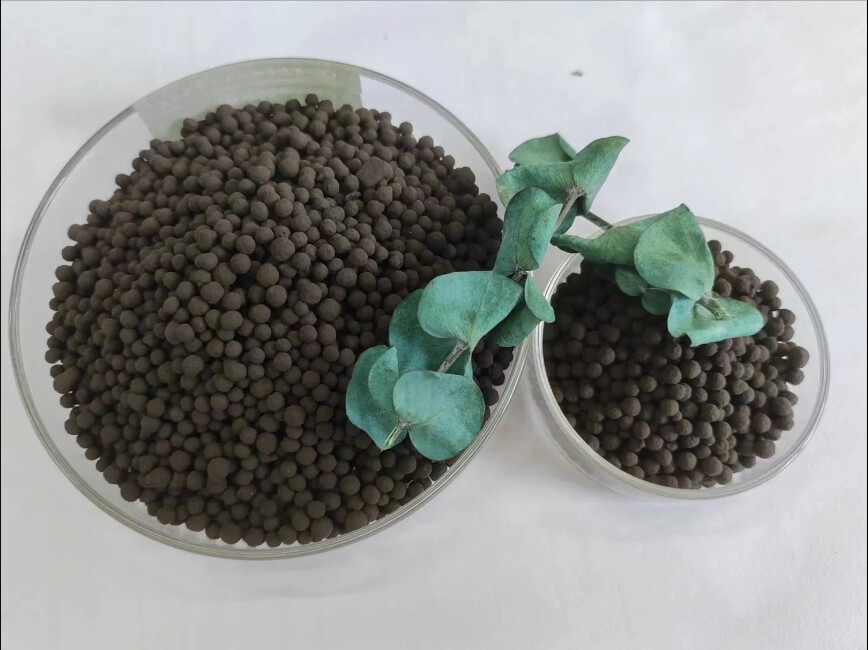
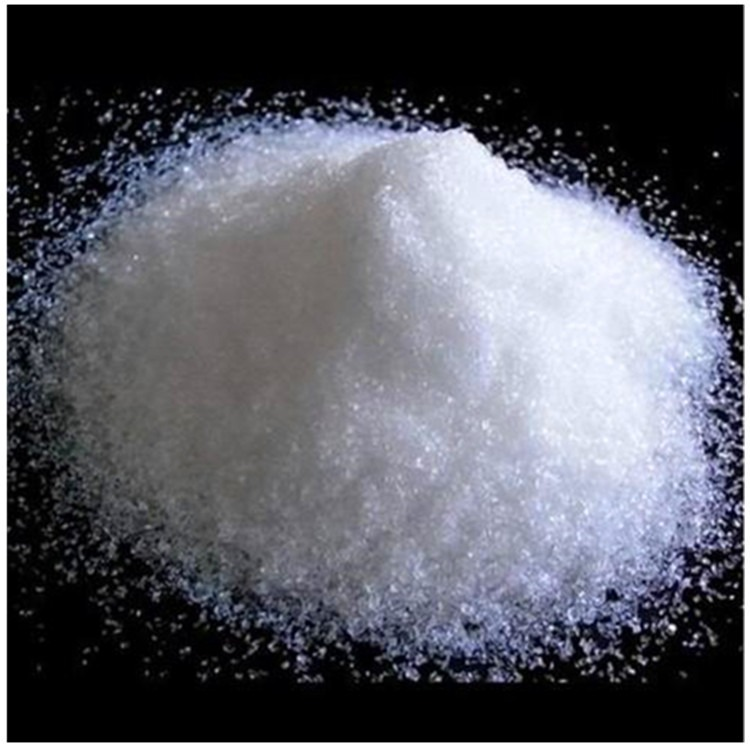
 Potassium Dihydrogen Phosphate 7778-77-0Potassium dihydrogen phosphate (chemical formula KH2PO4) is a high-concentration phosphorus and potassium compound fertilizer with a P2O5 content of 52% and a K2O content of 34%[2]. It has low hygroscopicity, good physical properties, and is easily soluble in water. At 20℃, 23g can be dissolved in 100 ml of water, and the aqueous solution is acidic.
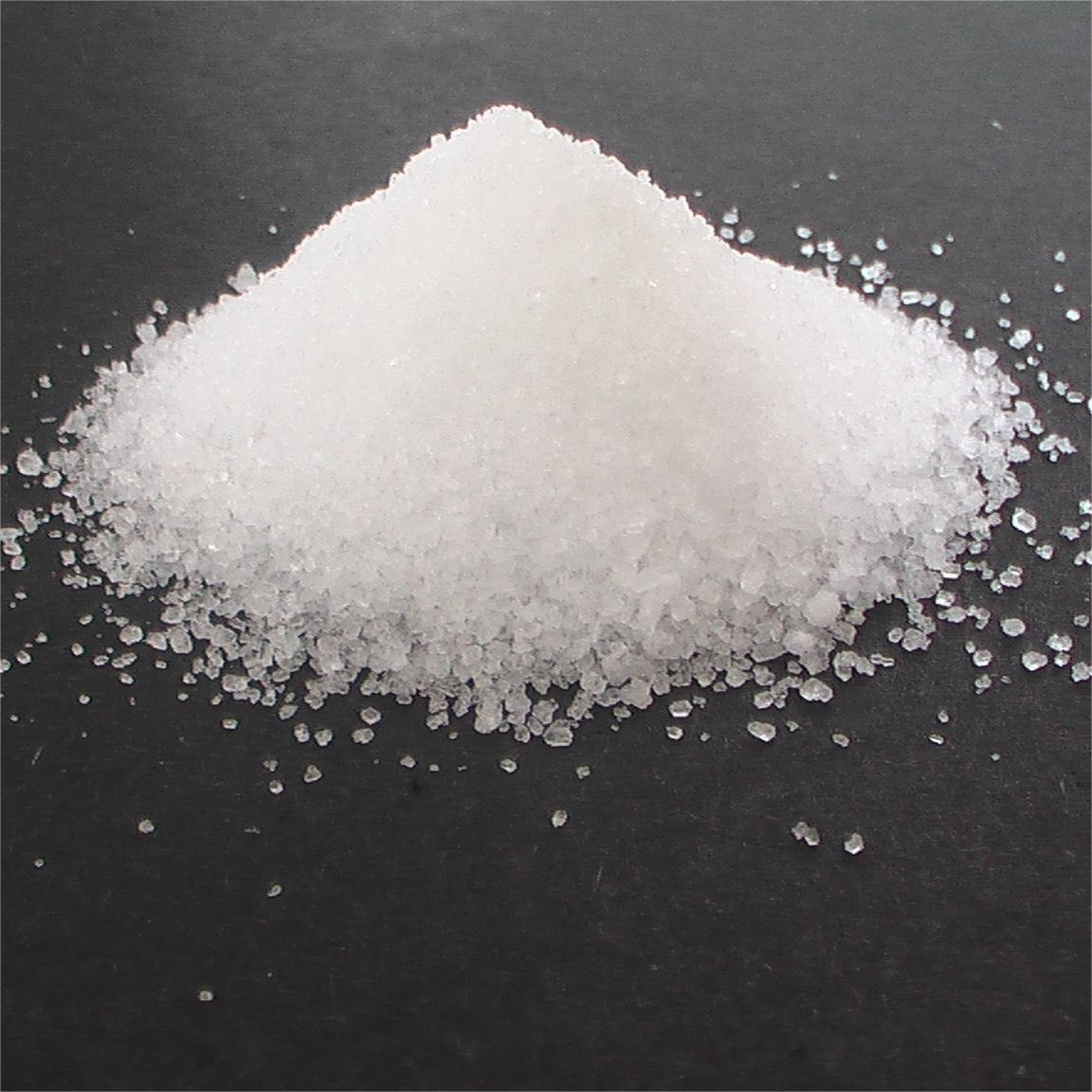
 Ammonium Bicarbonate 1066-33-7Ammonium bicarbonate is a nitrogen-containing chemical fertilizer, abbreviated as ammonium bicarbonate[1], commonly known as gas fertilizer. It is a white powder or lumpy crystal with a slight ammonia odor, a relative density of 1.58, and a melting point of 107.5℃ (rapid heating). It is easily soluble in water, and its aqueous solution is alkaline, but the alkalinity is weak. It is insoluble in ethanol and acetone. It is hygroscopic and clumps easily. It is chemically unstable and slowly decomposes into carbon dioxide, ammonia, and water at room temperature. The decomposition rate increases with increasing temperature and humidity.
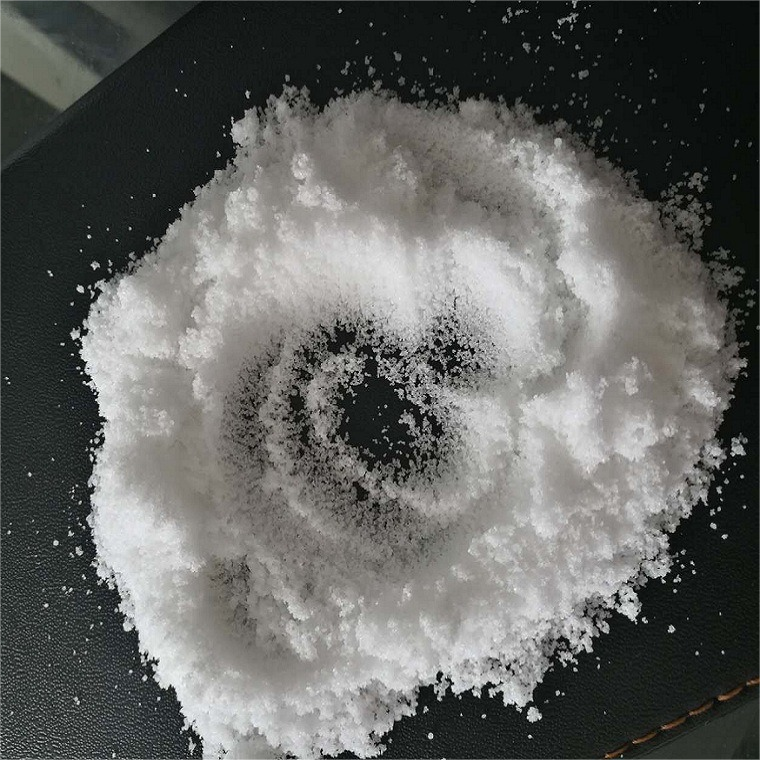
 Diammonium Phosphate 7722-76-1Ammonium dihydrogen phosphate (MAP), also known as monoammonium phosphate, is a white crystalline solid with the chemical formula NH₄H₂PO₄. It has a relative molecular mass of 115.03, a melting point of 180℃, a refractive index of 1.525, and a relative density of 1.803. It is readily soluble in water, slightly soluble in ethanol, and insoluble in organic solvents such as acetone. MAP is relatively stable at room temperature, but decomposes above its melting point, producing a mixture of ammonium metaphosphate and phosphoric acid. At room temperature (20℃), its solubility in water is 37.4 g, and a 0.1 mol/L MAP solution has a pH of approximately 4.0. MAP crystals belong to the tetragonal crystal system, exhibiting a combination of tetragonal prismatic and tetragonal bipyramidal forms (as shown in Figure 1). Its lattice constants are a=b=7.502 Å, c=7.546 Å, and α=β=γ=90°.
Send Us A Message
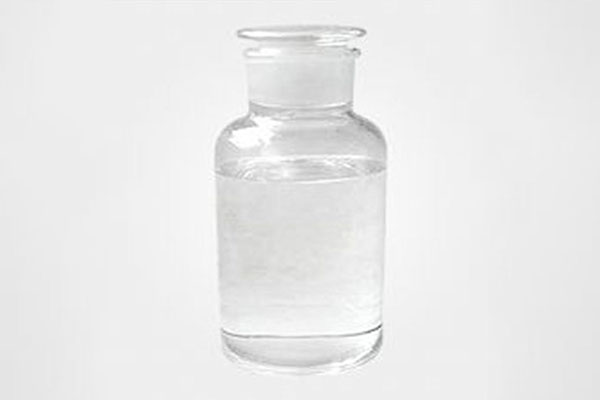
PRODUCT PARAMETERS
Chemical Properties Of Ethanol 64-17-5
Safety Information Of Ethanol 64-17-5
Product Application Of Ethanol 64-17-5
Medical
- A solution of 70-85% of ethanol is commonly used as a disinfectant and it kills organisms by denaturing their proteins and dissolving their lipids.
- It is effective against most bacteria and fungi, and many viruses, but is ineffective against bacterial spores. This disinfectant property of ethanol is the reason that alcoholic beverages can be stored for a long time. Ethanol also has many medical uses, and can be found in products such as medicines, medical wipes and as an antiseptic in most antibacterial hand sanitizer gels.
Ethanal can also be used as antidote. It competitively blocks the formation of toxic metabolites in toxic alcohol ingestions by having a higher affinity for the enzyme Alcohol Dehydrogenase (ADH). Its chief application is in methanol and ethylene glycol ingestions. Ethanol can be administered by the oral, nasogastric or intravenous route to maintain a blood ethanol concentration of 100-150 mg/dl (22-33 mol/L).
Fuel
- Ethanol is flammable and burns more cleanly than many other fuels. Ethanol has been used in cars since Henry Ford designed his 1908 Model T to operate on alcohol. In Brazil and the United States, the use of ethanol from sugar cane and grain as car fuel has been promoted by government programs.
- The Brazilian ethanol program started as a way to reduce the reliance on oil imports, but it was soon realized that it had important environmental and social benefits. The fully combusted products of ethanol are only carbon dioxide and water.
- For this reason, it is environmental friendly and has been used to fuel public buses in the US. However, pure ethanol attacks certain rubber and plastic materials and cannot be used in unmodified car engines.
- The alcohol-based alternative fuel that is blended with gasoline to produce a fuel with a higher octane rating and fewer harmful emissions than unblended gasoline. A mixture containing gasoline with at least 10% ethanol is known as gasohol. Specifically, gasoline with 10% ethanol content is known as E10.
- Another common gasohol variant is E15, which contains 15% ethanol and 85% gasoline. E15 is only appropriate for use in Flex Fuel vehicles or a very small percentage of the newest vehicles. In addition, E85 is a term used for a mixture of 15% gasoline and 85% ethanol. E85 keeps the fuel system clean because it burns cleaner than regular gas or diesel and doesn’t leave behind gummy deposits.
- Beginning with the model year 1999, a number of vehicles in the U.S. were manufactured so as to be able to run on E85 fuel without modification. These vehicles are often labeled dual fuel or flexible fuel vehicles, since they can automatically detect the type of fuel and change the engine’s behavior to compensate for the different ways that they burn in the engine cylinders.
- The use of ethanol-diesel fuel blends is growing around the world, and are designed to provide renewable, cleaner burning fuel alternatives for off-road equipment, buses, semi-trucks and other vehicles that run on diesel fuel. With the addition of ethanol and other fuel additives to diesel, the characteristic black diesel smoke is eliminated and there are significant reductions in particulate matter, carbon monoxide, and nitrogen oxide emissions.
It is also possible to use ethanol for cooking as a replacement for wood, charcoal, propane, or as a substitute for lighting fuels, such as kerosene.
Brazil and the United States lead the industrial production of ethanol fuel, accounting together for 89% of the world’s production in 2008. In comparison with the USA and Brazil, Europe ethanol for fuel production is still very modest. Brazil is the world’s second largest producer of ethanol fuel and the world’s largest exporter.
Beverage
Significant volumes of ethanol are produced for the beverage and industrial markets from agricultural feedstock. Ethanol produced for these industries differs from ethanol for fuel only in its strength, which can vary between 96% and 99.9% and in its purity, depending on the end use. Beverage and drinks industry may be the best-known end-user of ethanol. It is used to make many kinds of spirits, such vodka, gin and anisette. High standards and processes are required for ethanal used in the production of spirit drinks.
Others
The ethanol used as an intermediary product by the chemical, pharmaceutical or cosmetics industry is in many cases of the highest and purest possible quality. These are premium markets due to the additional steps in the alcohol production process that are necessary to achieve the required purity. Same high standards and purity requirements apply in food industry, such as flavors and aromas extraction and concentrations, as well as paints and thermometers. Ethanol can be used in de-icer or anti-freeze to clear the car windscreen. It also is contained in perfumes, deodorants, and other cosmetics.
PRODUCT DISPLAY
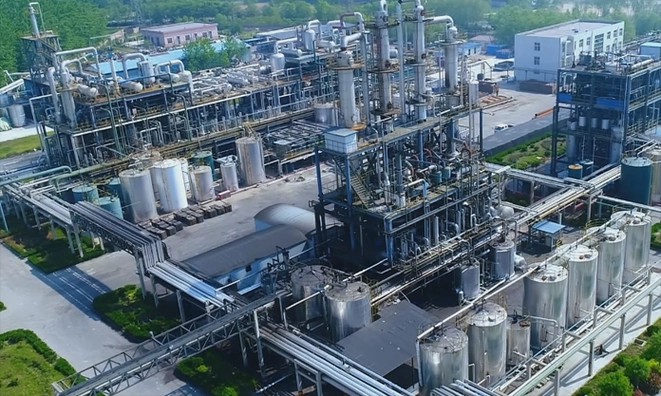
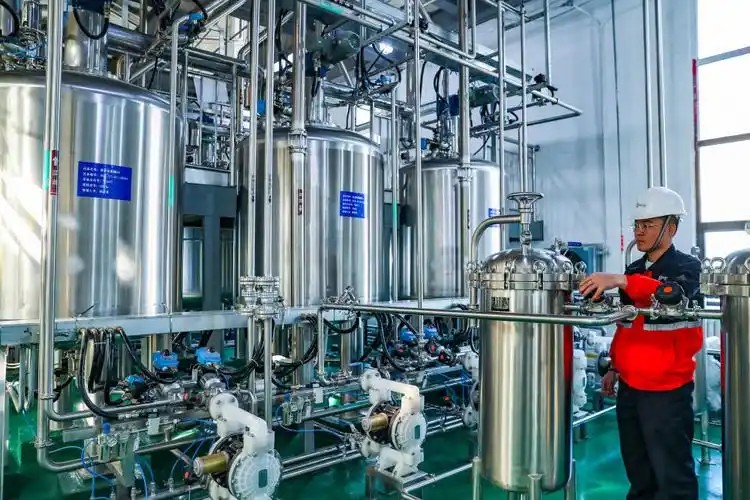
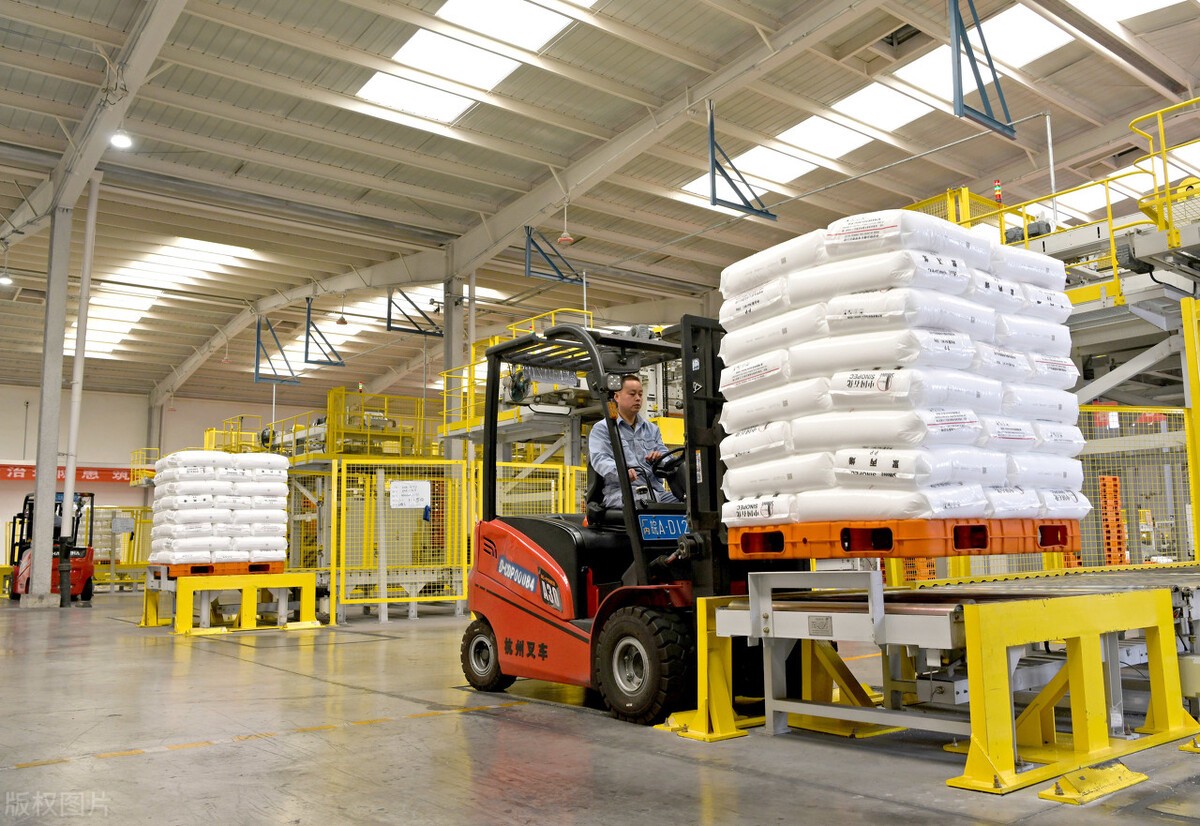
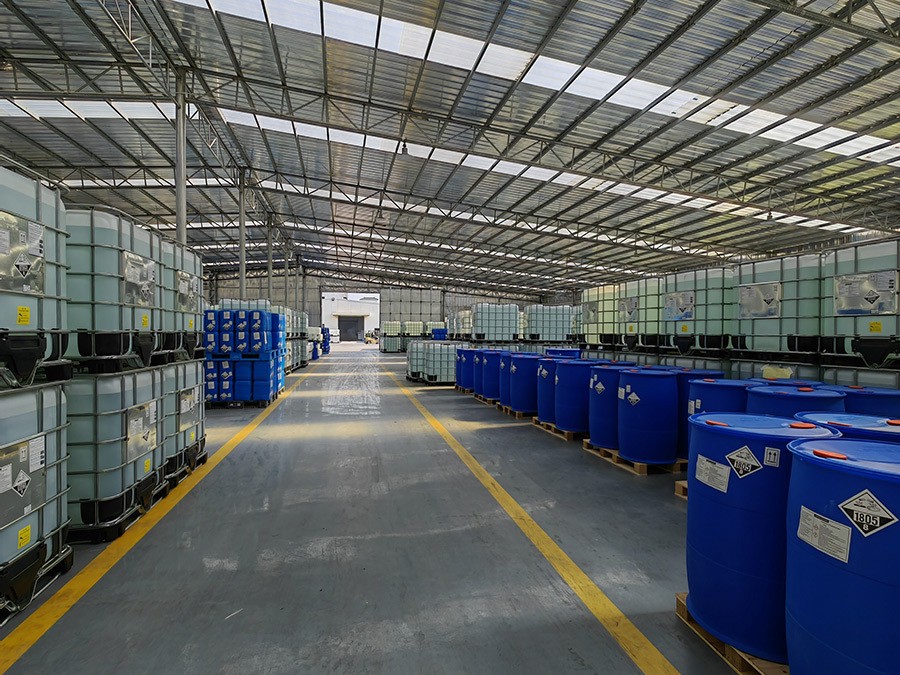
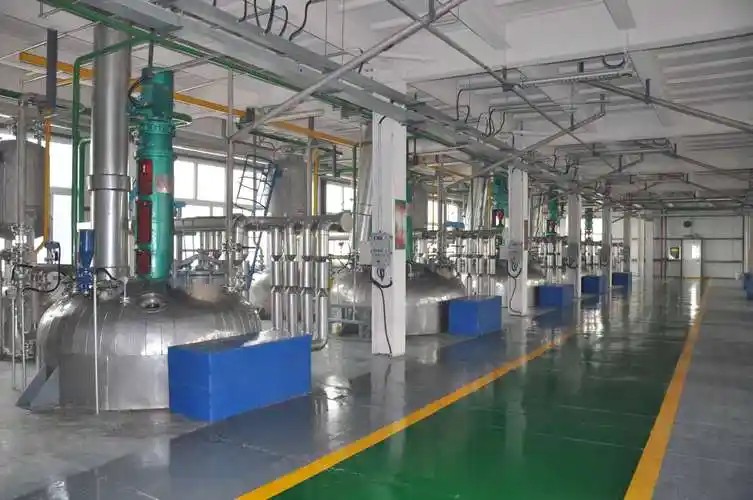
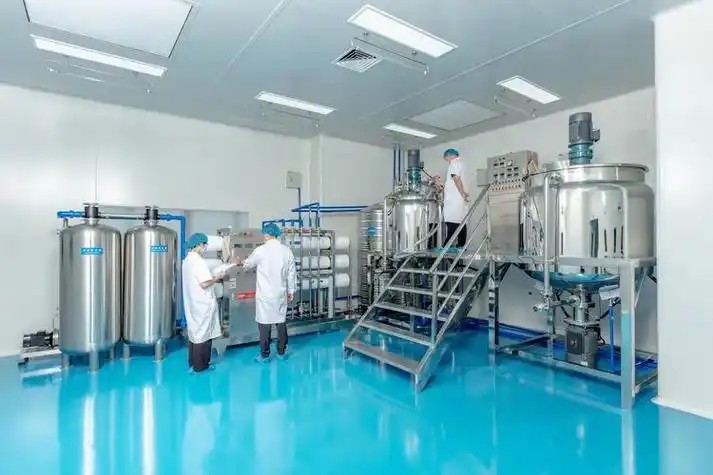
FACTORY DISPLAY
FAQ
How can I obtain more information or begin business discussions?
What are the main advantages of partnering with your company?
Resource Network: Stable and high-quality domestic supply chain.
Reliable Quality: Comprehensive quality control processes.
Efficient Service: Experienced team providing one-stop service, with smooth and efficient communication.
Guaranteed Reputation: Based on integrity, pursuing long-term win-win cooperation.
Do you handle export logistics and customs clearance?
What trade terms and payment methods do you support?
What is your typical delivery time?
How to inquire about prices and obtain samples?
How do you guarantee product quality?
Source control: We carefully select our suppliers to ensure they have reliable production qualifications and stable quality systems.
Process control: We can arrange factory inspections or third-party testing to ensure products meet contract standards and relevant international requirements.
Complete documentation: We provide the necessary quality certification documents, such as COA (Certificate of Analysis).
Can you provide customized products or meet special specifications?
What are your main exported chemical products?
What are the company's main markets and customer groups?
What kind of company is Jinan Yifu Chemical Co., Ltd.?
PLEASE CONTACT US
PRODUCT RECOMMENDATION
 Potassium Dihydrogen Phosphate 7778-77-0More +
 Ammonium Bicarbonate 1066-33-7More +
 Diammonium Phosphate 7722-76-1More +
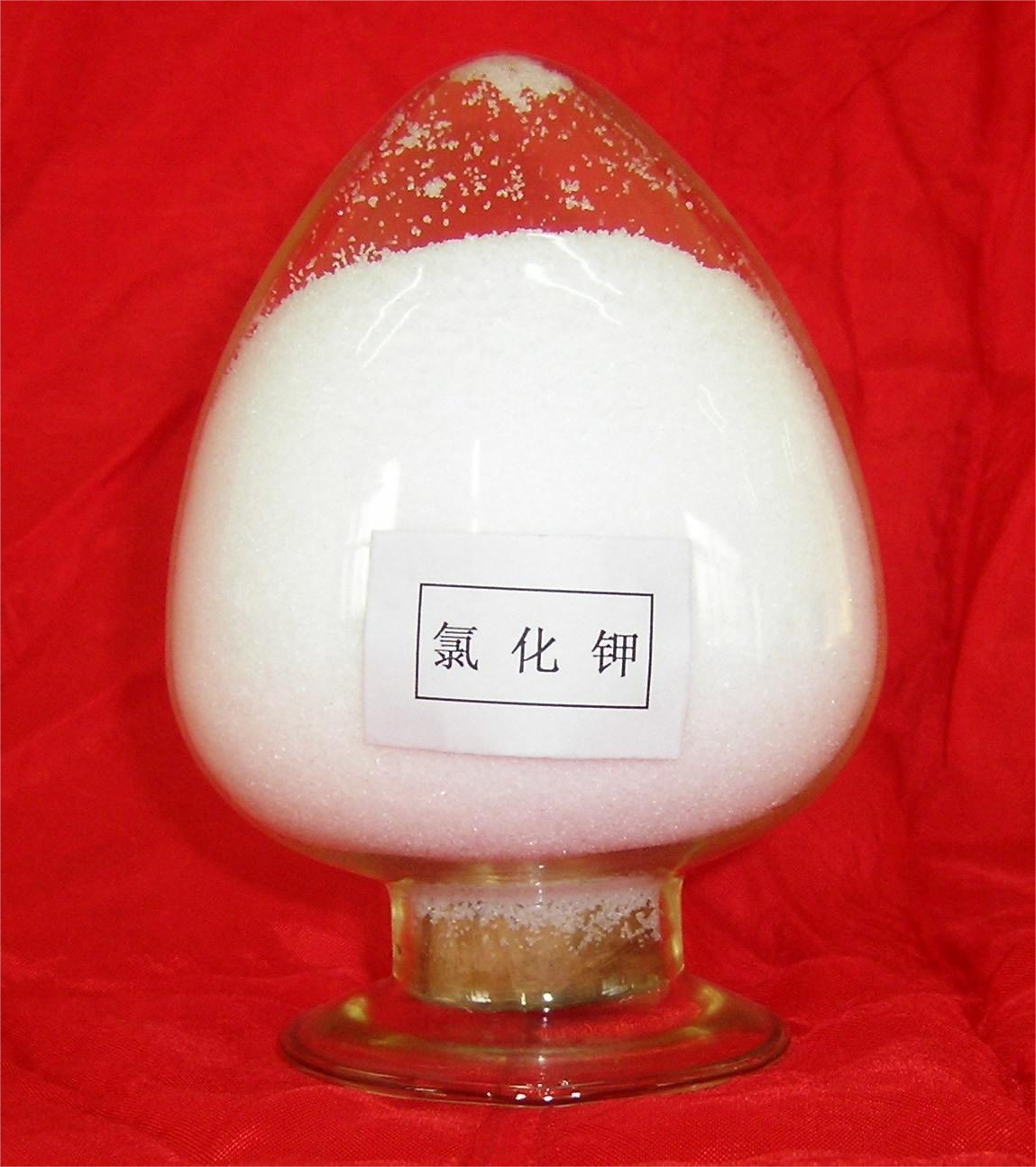
 Potassium Chloride 7447-40-7More +
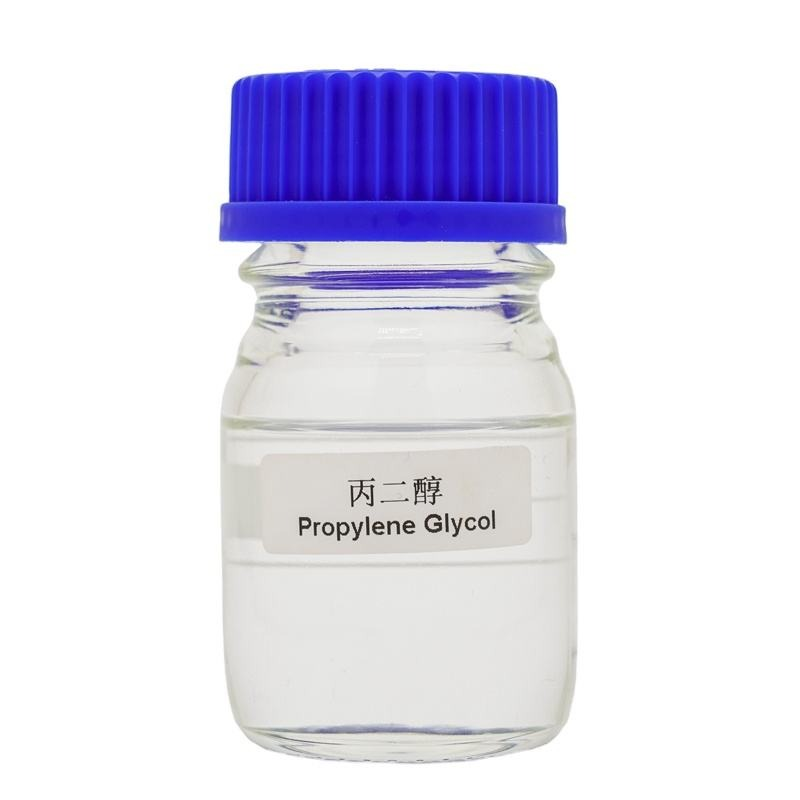
 57-55-6") Propylene Glycol (1,2-propylene glycol) 57-55-6More +
Propylene Glycol (1,2-propylene glycol) 57-55-6More + PTA 100-21-0More +
 Sodium Benzoate 532-32-1More +
 Organic And lnorganic Compound FertilizerMore +