
Product Center
Navigation
Product Categories
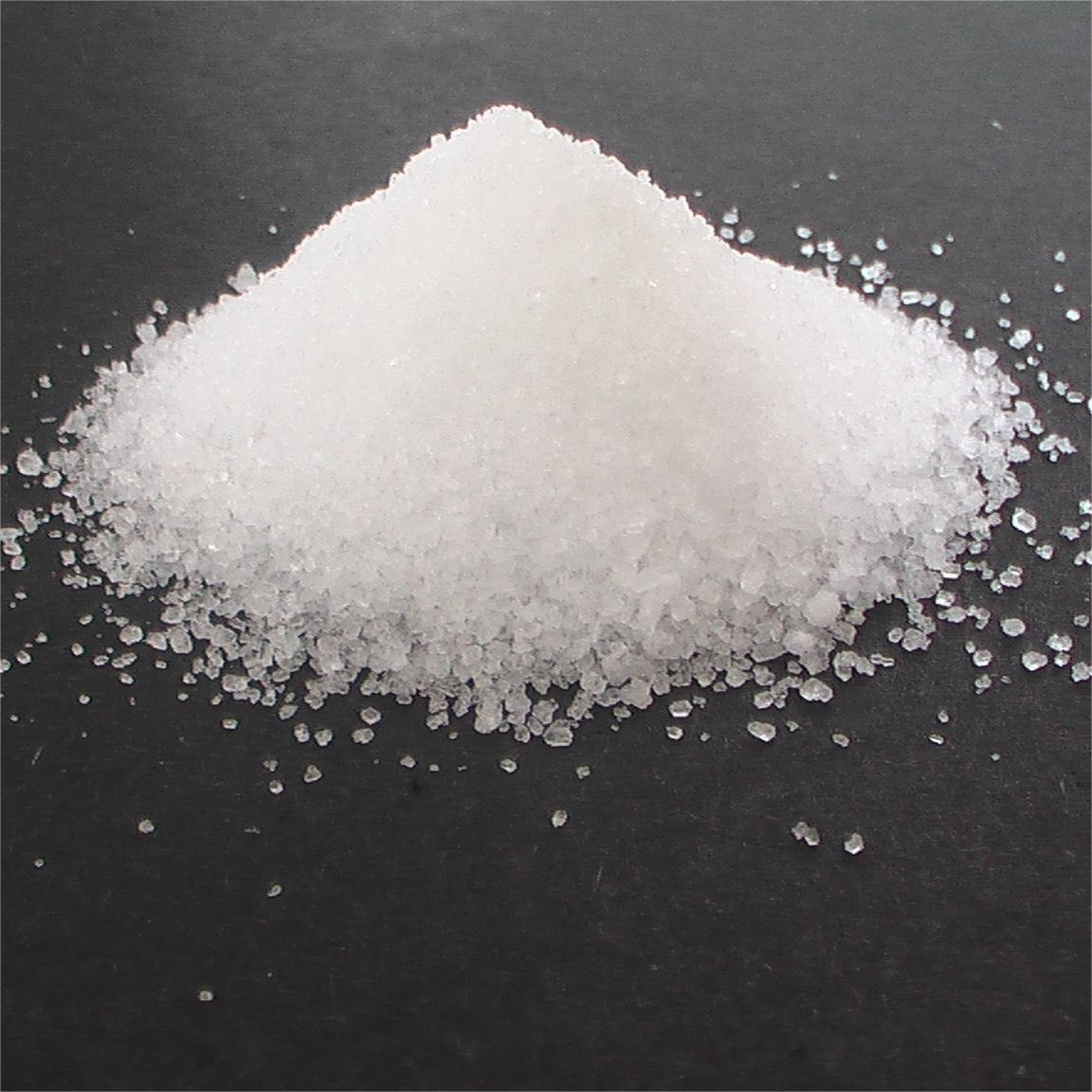
 Potassium Dihydrogen Phosphate 7778-77-0Potassium dihydrogen phosphate (chemical formula KH2PO4) is a high-concentration phosphorus and potassium compound fertilizer with a P2O5 content of 52% and a K2O content of 34%[2]. It has low hygroscopicity, good physical properties, and is easily soluble in water. At 20℃, 23g can be dissolved in 100 ml of water, and the aqueous solution is acidic.
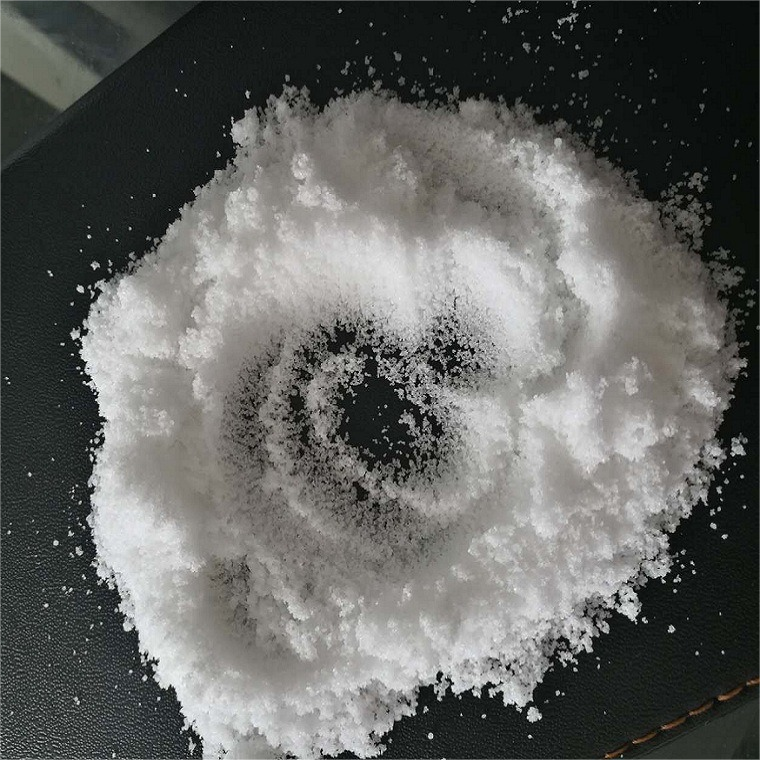
 Ammonium Bicarbonate 1066-33-7Ammonium bicarbonate is a nitrogen-containing chemical fertilizer, abbreviated as ammonium bicarbonate[1], commonly known as gas fertilizer. It is a white powder or lumpy crystal with a slight ammonia odor, a relative density of 1.58, and a melting point of 107.5℃ (rapid heating). It is easily soluble in water, and its aqueous solution is alkaline, but the alkalinity is weak. It is insoluble in ethanol and acetone. It is hygroscopic and clumps easily. It is chemically unstable and slowly decomposes into carbon dioxide, ammonia, and water at room temperature. The decomposition rate increases with increasing temperature and humidity.
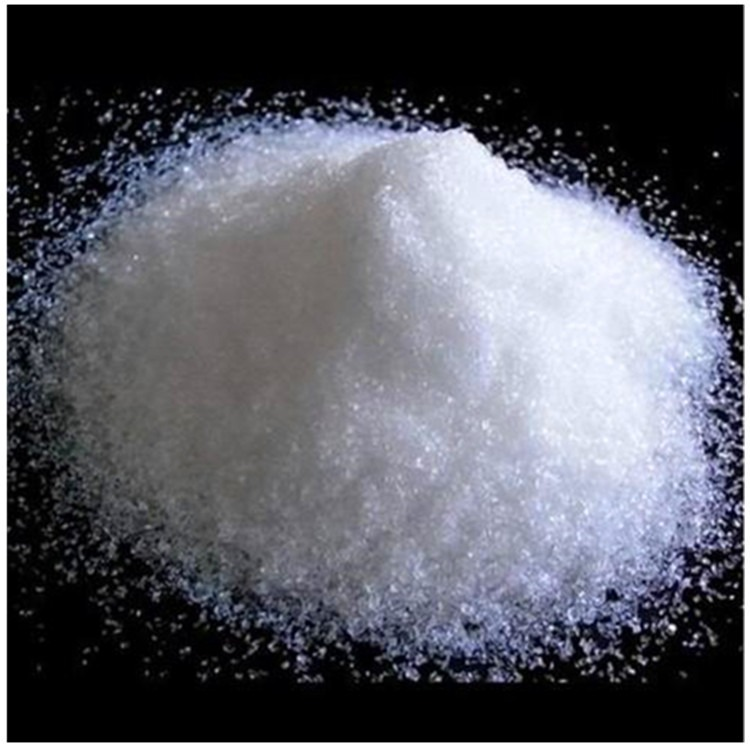
 Diammonium Phosphate 7722-76-1Ammonium dihydrogen phosphate (MAP), also known as monoammonium phosphate, is a white crystalline solid with the chemical formula NH₄H₂PO₄. It has a relative molecular mass of 115.03, a melting point of 180℃, a refractive index of 1.525, and a relative density of 1.803. It is readily soluble in water, slightly soluble in ethanol, and insoluble in organic solvents such as acetone. MAP is relatively stable at room temperature, but decomposes above its melting point, producing a mixture of ammonium metaphosphate and phosphoric acid. At room temperature (20℃), its solubility in water is 37.4 g, and a 0.1 mol/L MAP solution has a pH of approximately 4.0. MAP crystals belong to the tetragonal crystal system, exhibiting a combination of tetragonal prismatic and tetragonal bipyramidal forms (as shown in Figure 1). Its lattice constants are a=b=7.502 Å, c=7.546 Å, and α=β=γ=90°.
Send Us A Message
 Potassium Dihydrogen Phosphate 7778-77-0Potassium dihydrogen phosphate (chemical formula KH2PO4) is a high-concentration phosphorus and potassium compound fertilizer with a P2O5 content of 52% and a K2O content of 34%[2]. It has low hygroscopicity, good physical properties, and is easily soluble in water. At 20℃, 23g can be dissolved in 100 ml of water, and the aqueous solution is acidic.Learn More
 Ammonium Bicarbonate 1066-33-7Ammonium bicarbonate is a nitrogen-containing chemical fertilizer, abbreviated as ammonium bicarbonate[1], commonly known as gas fertilizer. It is a white powder or lumpy crystal with a slight ammonia odor, a relative density of 1.58, and a melting point of 107.5℃ (rapid heating). It is easily soluble in water, and its aqueous solution is alkaline, but the alkalinity is weak. It is insoluble in ethanol and acetone. It is hygroscopic and clumps easily. It is chemically unstable and slowly decomposes into carbon dioxide, ammonia, and water at room temperature. The decomposition rate increases with increasing temperature and humidity.Learn More
 Diammonium Phosphate 7722-76-1Ammonium dihydrogen phosphate (MAP), also known as monoammonium phosphate, is a white crystalline solid with the chemical formula NH₄H₂PO₄. It has a relative molecular mass of 115.03, a melting point of 180℃, a refractive index of 1.525, and a relative density of 1.803. It is readily soluble in water, slightly soluble in ethanol, and insoluble in organic solvents such as acetone. MAP is relatively stable at room temperature, but decomposes above its melting point, producing a mixture of ammonium metaphosphate and phosphoric acid. At room temperature (20℃), its solubility in water is 37.4 g, and a 0.1 mol/L MAP solution has a pH of approximately 4.0. MAP crystals belong to the tetragonal crystal system, exhibiting a combination of tetragonal prismatic and tetragonal bipyramidal forms (as shown in Figure 1). Its lattice constants are a=b=7.502 Å, c=7.546 Å, and α=β=γ=90°.Learn More
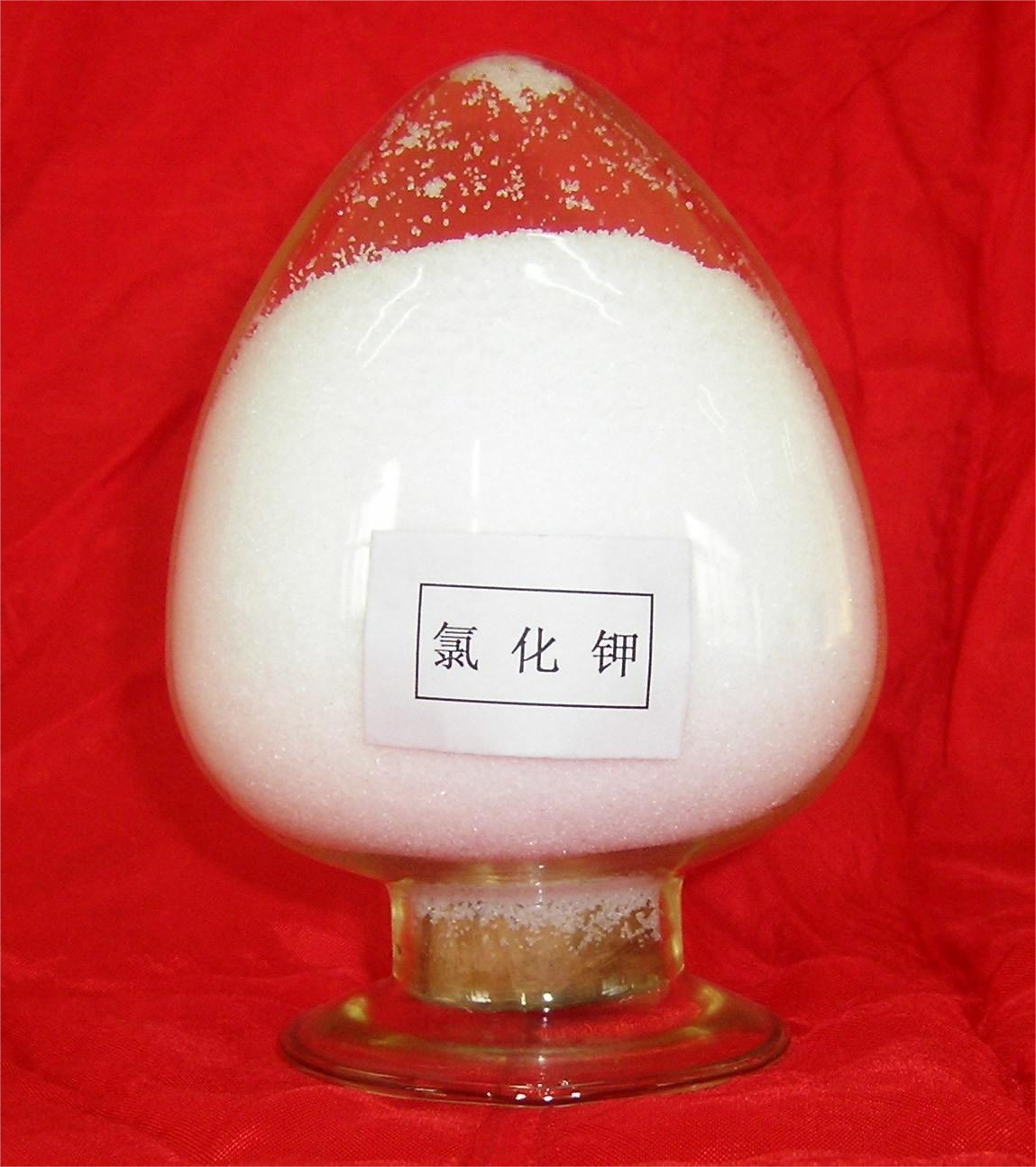
 Potassium Chloride 7447-40-7Potassium chloride is an essential fertilizer for plant growth. It is fast-acting, readily absorbed by the soil, and not easily lost. Applying appropriate amounts of potassium fertilizer can promote strong crop stems, prevent lodging, encourage flowering and fruiting, and enhance resistance to drought, cold, and pests. Therefore, it is of great significance for high agricultural yields. Germany used it as its primary potassium fertilizer as early as 1861 and maintained a long-term monopoly in its production. Potassium chloride is also a major agricultural potassium fertilizer in China. Due to its abundant mineral resources, simple production methods, high potassium content, and low cost, potassium chloride remains the world's most important potassium fertilizer, accounting for over 90% of global potassium fertilizer sales. Of this, 50% is applied directly, and the remainder is mainly used to manufacture compound fertilizers.Learn More
- Sodium Bicarbonate CAS#144-55-8Naturally Occurring Mineral:Sodium bicarbonate exists naturally as the mineral nahcolite, highlighting its natural origin and abundance.
White and Odorless:The compound is a clean, odorless white solid, making it safe and convenient for various household, food, and industrial applications.
Crystalline Solid Structure:Its stable crystalline form ensures consistent quality, ease of handling, and reliable performance in chemical reactions and formulations.
Widely Recognized as Baking Soda:Commonly known as baking soda, it is a versatile and well-understood compound used across baking, cleaning, pharmaceutical, and industrial processes.Learn More - Dimethyl terephthalate 120-61-6Dimethyl terephthalate (DMT) is an organic compound with the formula C6H4(CO2CH3)2. It is the diester formed from terephthalic acid and methanol. It is a white solid that melts to give a distillable colourless liquid.Learn More
 7-Diethylamino-4-methylcoumarin 91-44-1Coumarin 460 is a member of 7-aminocoumarins. It has a role as a fluorochrome.Learn More
 Butyl acetate 123-86-4Butyl acetate (CAS Number: 123-86-4) is a colorless, volatile liquid with a fruity odor, commonly used as a solvent and in the production of flavors and fragrances.Learn More
- Sodium Carbonate 497-19-8Sodium carbonate( 497-19-8), Na2CO3, is a sodium salt of carbonic acid. The pure product appears as a while, odorless powder with a strong alkaline taste. It has high hygroscopicity. It can be easily dissolved in water to form an aqueous solution with moderate alkalinity.Learn More
- Aluminum chlorohydrate 1327-41-9It has unique color and sublimation characteristics for easy identification and separation. The chemical properties are active, can participate in a variety of chemical reactions, and has a wide range of application values in different fields. Although it is an essential trace element for the human body, excessive intake of iodine can also cause harm to human health, so it is necessary to strictly control the dose when using and supplementing.Learn More
- Iodine 7553-56-2It has unique color and sublimation characteristics for easy identification and separation. The chemical properties are active, can participate in a variety of chemical reactions, and has a wide range of application values in different fields. Although it is an essential trace element for the human body, excessive intake of iodine can also cause harm to human health, so it is necessary to strictly control the dose when using and supplementing.Learn More
- SODIUM METATUNGSTATE 12141-67-2Aluminum Hydroxide is a white, odorless, non-toxic inorganic compound with excellent thermal stability and versatile industrial applications. As a key hydroxide of aluminum, it is widely recognized for its flame-retardant, antacid, and adsorptive properties.Learn More

{item.title}
{item.description}
Learn More