
Product Center
Navigation
Product Categories
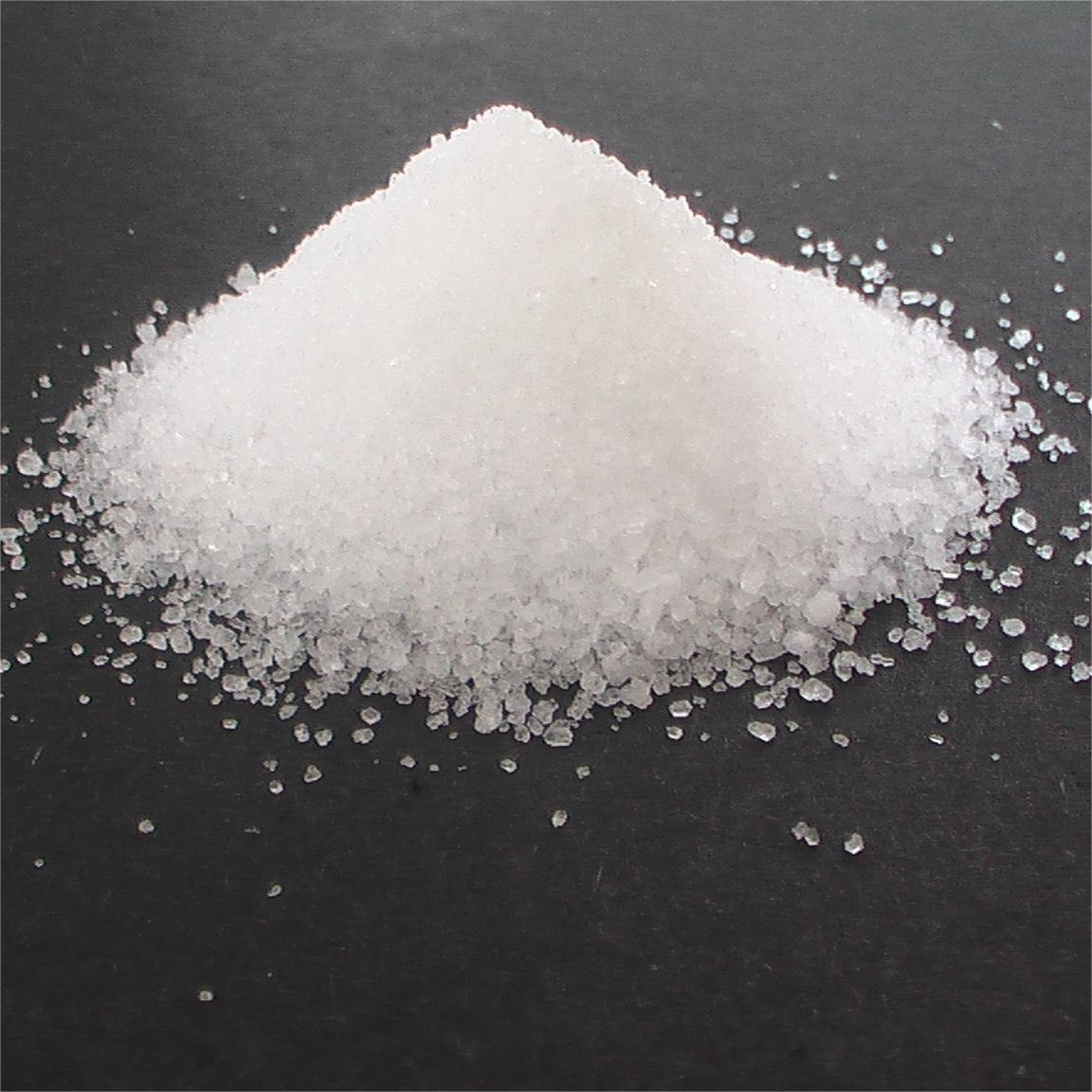
 Potassium Dihydrogen Phosphate 7778-77-0Potassium dihydrogen phosphate (chemical formula KH2PO4) is a high-concentration phosphorus and potassium compound fertilizer with a P2O5 content of 52% and a K2O content of 34%[2]. It has low hygroscopicity, good physical properties, and is easily soluble in water. At 20℃, 23g can be dissolved in 100 ml of water, and the aqueous solution is acidic.
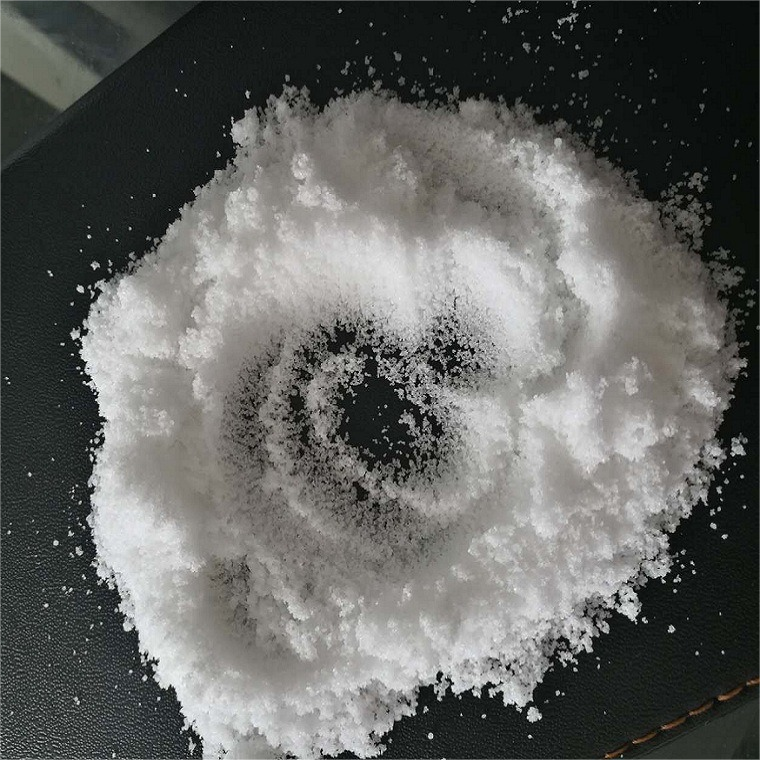
 Ammonium Bicarbonate 1066-33-7Ammonium bicarbonate is a nitrogen-containing chemical fertilizer, abbreviated as ammonium bicarbonate[1], commonly known as gas fertilizer. It is a white powder or lumpy crystal with a slight ammonia odor, a relative density of 1.58, and a melting point of 107.5℃ (rapid heating). It is easily soluble in water, and its aqueous solution is alkaline, but the alkalinity is weak. It is insoluble in ethanol and acetone. It is hygroscopic and clumps easily. It is chemically unstable and slowly decomposes into carbon dioxide, ammonia, and water at room temperature. The decomposition rate increases with increasing temperature and humidity.
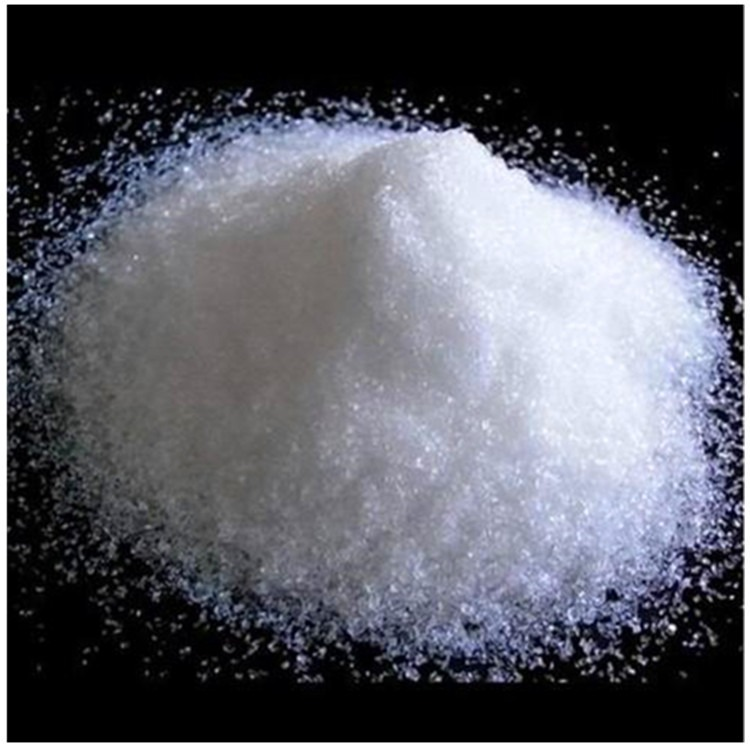
 Diammonium Phosphate 7722-76-1Ammonium dihydrogen phosphate (MAP), also known as monoammonium phosphate, is a white crystalline solid with the chemical formula NH₄H₂PO₄. It has a relative molecular mass of 115.03, a melting point of 180℃, a refractive index of 1.525, and a relative density of 1.803. It is readily soluble in water, slightly soluble in ethanol, and insoluble in organic solvents such as acetone. MAP is relatively stable at room temperature, but decomposes above its melting point, producing a mixture of ammonium metaphosphate and phosphoric acid. At room temperature (20℃), its solubility in water is 37.4 g, and a 0.1 mol/L MAP solution has a pH of approximately 4.0. MAP crystals belong to the tetragonal crystal system, exhibiting a combination of tetragonal prismatic and tetragonal bipyramidal forms (as shown in Figure 1). Its lattice constants are a=b=7.502 Å, c=7.546 Å, and α=β=γ=90°.
Send Us A Message

{item.title}
{item.description}
Learn More