Product Center
Navigation
Product Categories
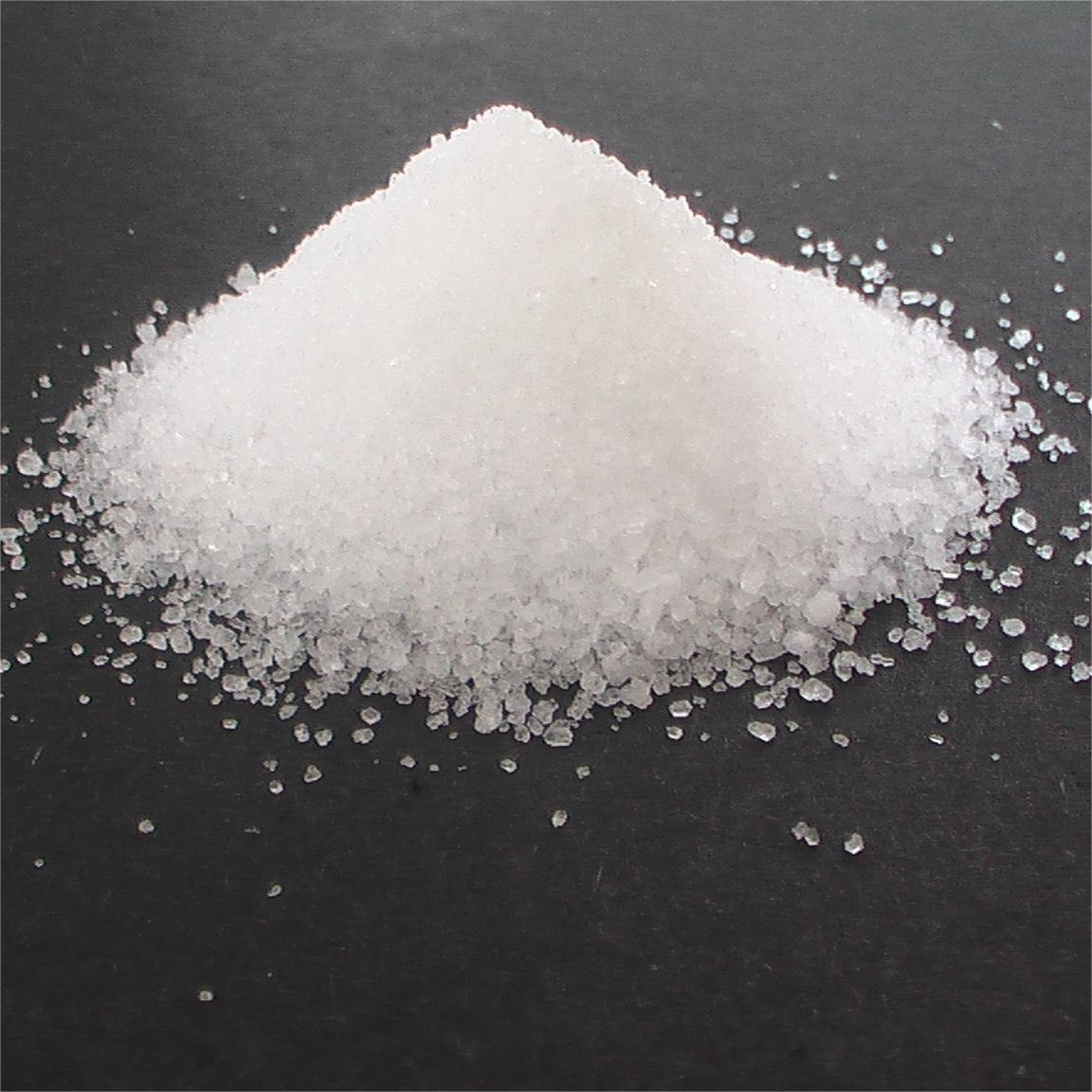
 Potassium Dihydrogen Phosphate 7778-77-0Potassium dihydrogen phosphate (chemical formula KH2PO4) is a high-concentration phosphorus and potassium compound fertilizer with a P2O5 content of 52% and a K2O content of 34%[2]. It has low hygroscopicity, good physical properties, and is easily soluble in water. At 20℃, 23g can be dissolved in 100 ml of water, and the aqueous solution is acidic.
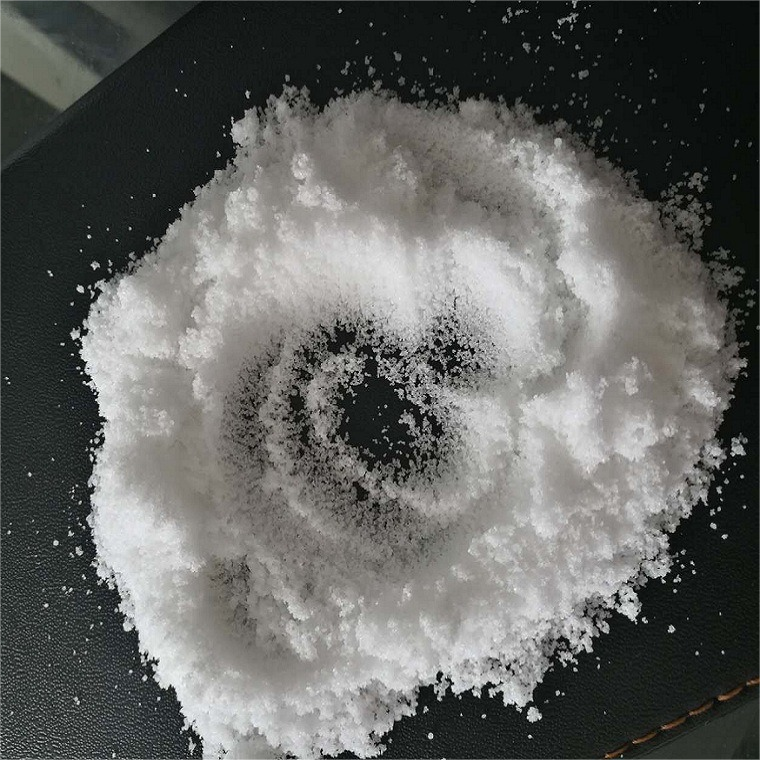
 Ammonium Bicarbonate 1066-33-7Ammonium bicarbonate is a nitrogen-containing chemical fertilizer, abbreviated as ammonium bicarbonate[1], commonly known as gas fertilizer. It is a white powder or lumpy crystal with a slight ammonia odor, a relative density of 1.58, and a melting point of 107.5℃ (rapid heating). It is easily soluble in water, and its aqueous solution is alkaline, but the alkalinity is weak. It is insoluble in ethanol and acetone. It is hygroscopic and clumps easily. It is chemically unstable and slowly decomposes into carbon dioxide, ammonia, and water at room temperature. The decomposition rate increases with increasing temperature and humidity.
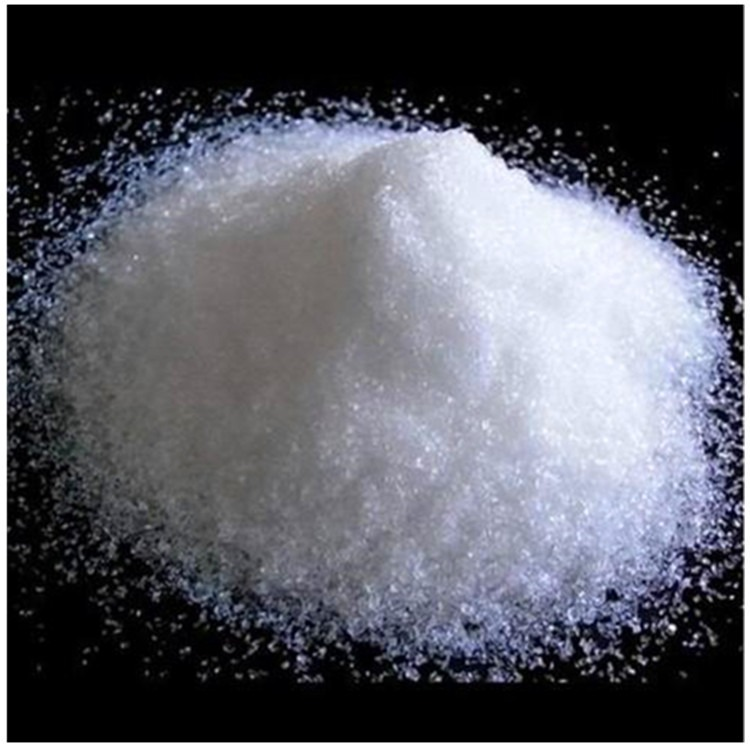
 Diammonium Phosphate 7722-76-1Ammonium dihydrogen phosphate (MAP), also known as monoammonium phosphate, is a white crystalline solid with the chemical formula NH₄H₂PO₄. It has a relative molecular mass of 115.03, a melting point of 180℃, a refractive index of 1.525, and a relative density of 1.803. It is readily soluble in water, slightly soluble in ethanol, and insoluble in organic solvents such as acetone. MAP is relatively stable at room temperature, but decomposes above its melting point, producing a mixture of ammonium metaphosphate and phosphoric acid. At room temperature (20℃), its solubility in water is 37.4 g, and a 0.1 mol/L MAP solution has a pH of approximately 4.0. MAP crystals belong to the tetragonal crystal system, exhibiting a combination of tetragonal prismatic and tetragonal bipyramidal forms (as shown in Figure 1). Its lattice constants are a=b=7.502 Å, c=7.546 Å, and α=β=γ=90°.
Send Us A Message
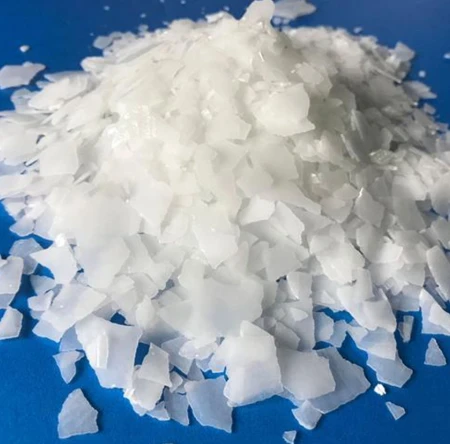
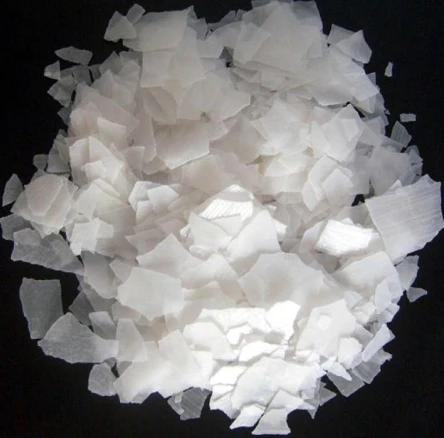

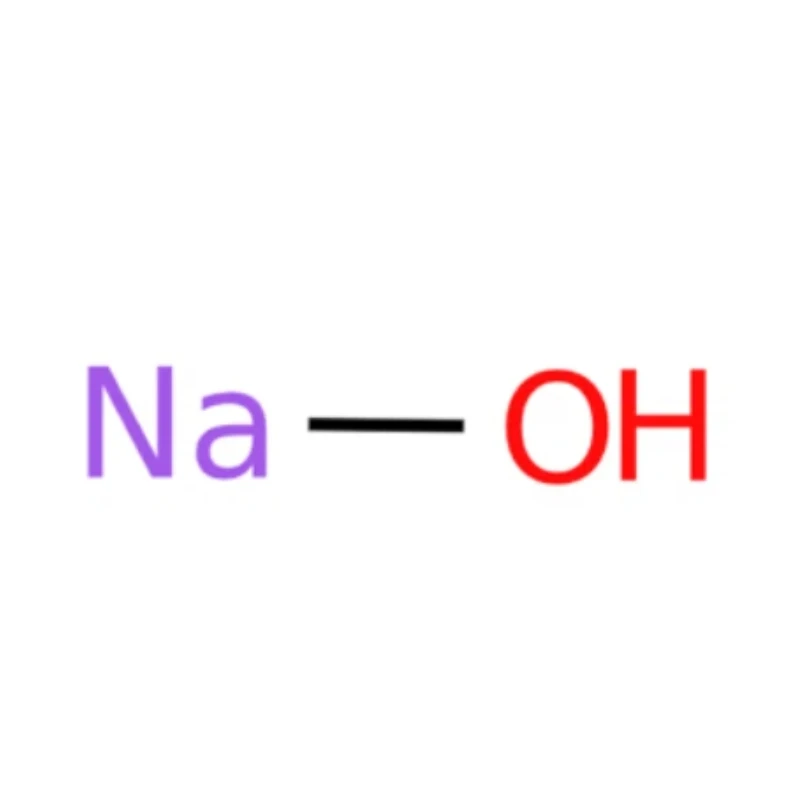
Strong Alkalinity – Highly effective for chemical reactions, cleaning, and neutralization processes.
Multiple Solubility Options – Readily dissolves in water, methanol, and ethanol for flexible usage.
Moisture and Gas Absorption – Deliquescent nature enables absorption of water vapor and acidic gases like CO₂.
PRODUCT PARAMETERS
Sodium hydroxide Chemical Properties
Safety Information
Sodium hydroxide has a broad range of applications. In chemical experiments, it serves not only as a reagent but also as an alkaline desiccant due to its strong hygroscopic properties. Caustic soda plays a vital role in the national economy, with numerous industrial sectors relying on it. The largest consumer is the chemical manufacturing industry, followed by paper production, aluminum and tungsten smelting, viscose fiber manufacturing, and soap production. It is also used in the manufacture of dyes, plastics, pharmaceuticals, organic intermediates, reclaimed rubber, metal sodium electrolysis, water treatment, and inorganic salt production such as borax, chromium salts, manganates, and phosphates.
Industrial sodium hydroxide must meet the requirements of national standard GB209-2006;
Industrial ion-exchange membrane sodium hydroxide should comply with GB/T11199-89;
Sodium hydroxide for chemical fiber should meet GB11212-89;
Food-grade sodium hydroxide must conform to GB5175-85.
In industrial contexts, sodium hydroxide is commonly referred to as caustic soda, a name derived from its ability to cause severe skin burns upon contact with concentrated solutions. It dissolves proteins, making alkali burns slower to heal than acid burns. A 0.02% solution instilled into rabbit eyes can damage the corneal epithelium. Toxicity data include: mouse intraperitoneal LD50 of 40 mg/kg and rabbit oral LDLo of 500 mg/kg. Dust can irritate the eyes and respiratory tract, corrode the nasal septum, and damage skin—especially mucous membranes—producing soft scabs that may penetrate deeply and leave permanent scars.
PRODUCT DISPLAY
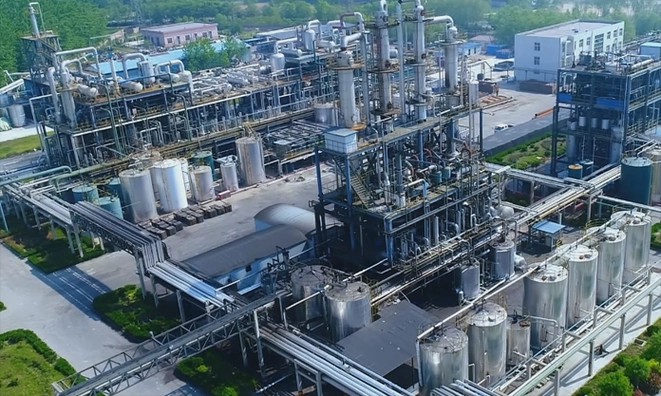
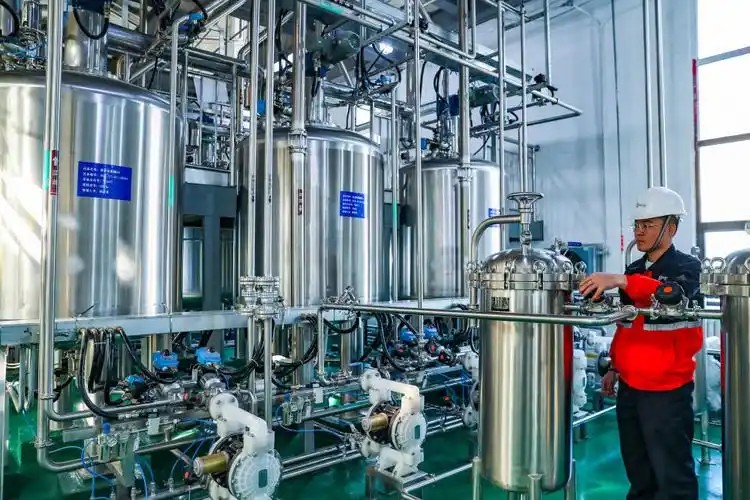
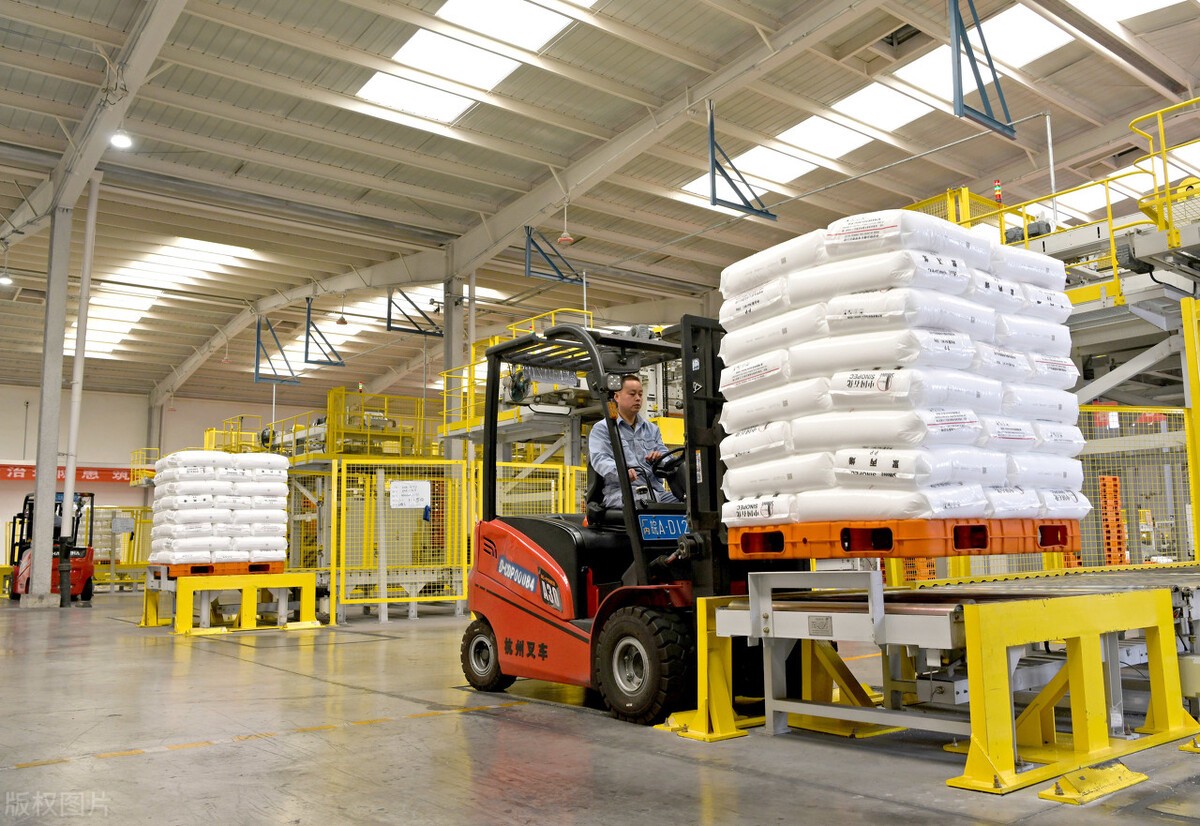
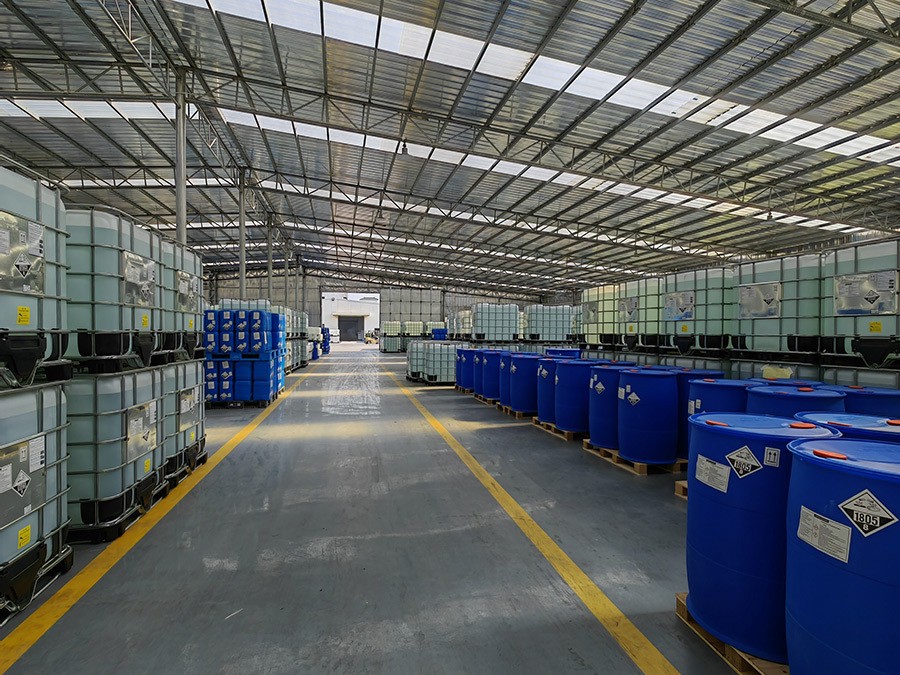
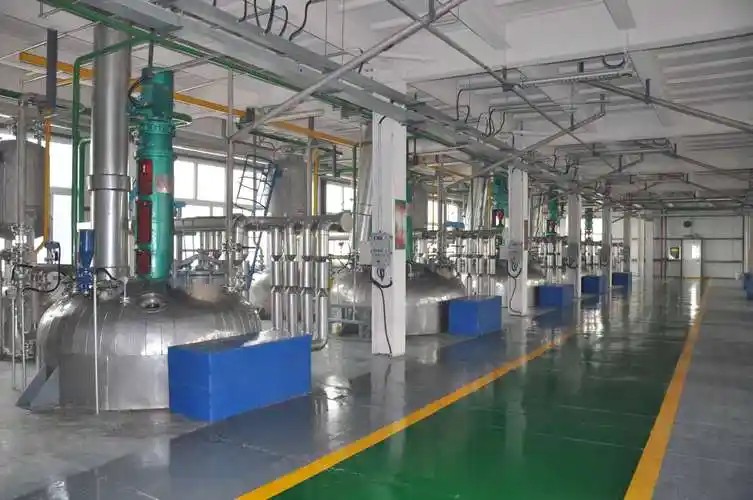
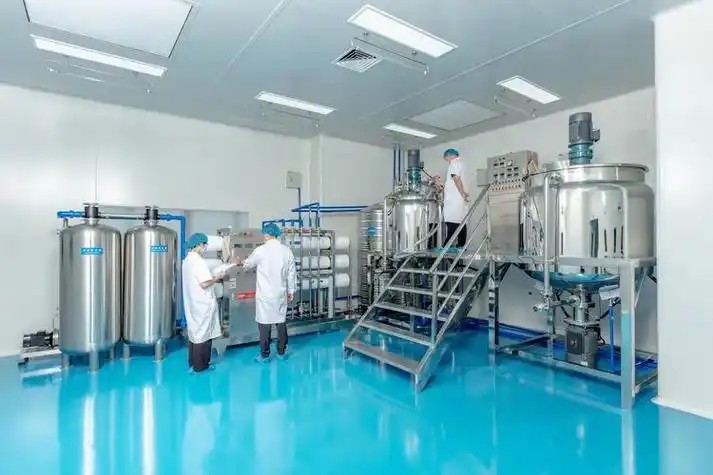
FACTORY DISPLAY
FAQ
How can I obtain more information or begin business discussions?
What are the main advantages of partnering with your company?
Resource Network: Stable and high-quality domestic supply chain.
Reliable Quality: Comprehensive quality control processes.
Efficient Service: Experienced team providing one-stop service, with smooth and efficient communication.
Guaranteed Reputation: Based on integrity, pursuing long-term win-win cooperation.
Do you handle export logistics and customs clearance?
What trade terms and payment methods do you support?
What is your typical delivery time?
How to inquire about prices and obtain samples?
How do you guarantee product quality?
Source control: We carefully select our suppliers to ensure they have reliable production qualifications and stable quality systems.
Process control: We can arrange factory inspections or third-party testing to ensure products meet contract standards and relevant international requirements.
Complete documentation: We provide the necessary quality certification documents, such as COA (Certificate of Analysis).
Can you provide customized products or meet special specifications?
What are your main exported chemical products?
What are the company's main markets and customer groups?
What kind of company is Jinan Yifu Chemical Co., Ltd.?
PLEASE CONTACT US
PRODUCT RECOMMENDATION
 Potassium Dihydrogen Phosphate 7778-77-0More +
 Ammonium Bicarbonate 1066-33-7More +
 Diammonium Phosphate 7722-76-1More +
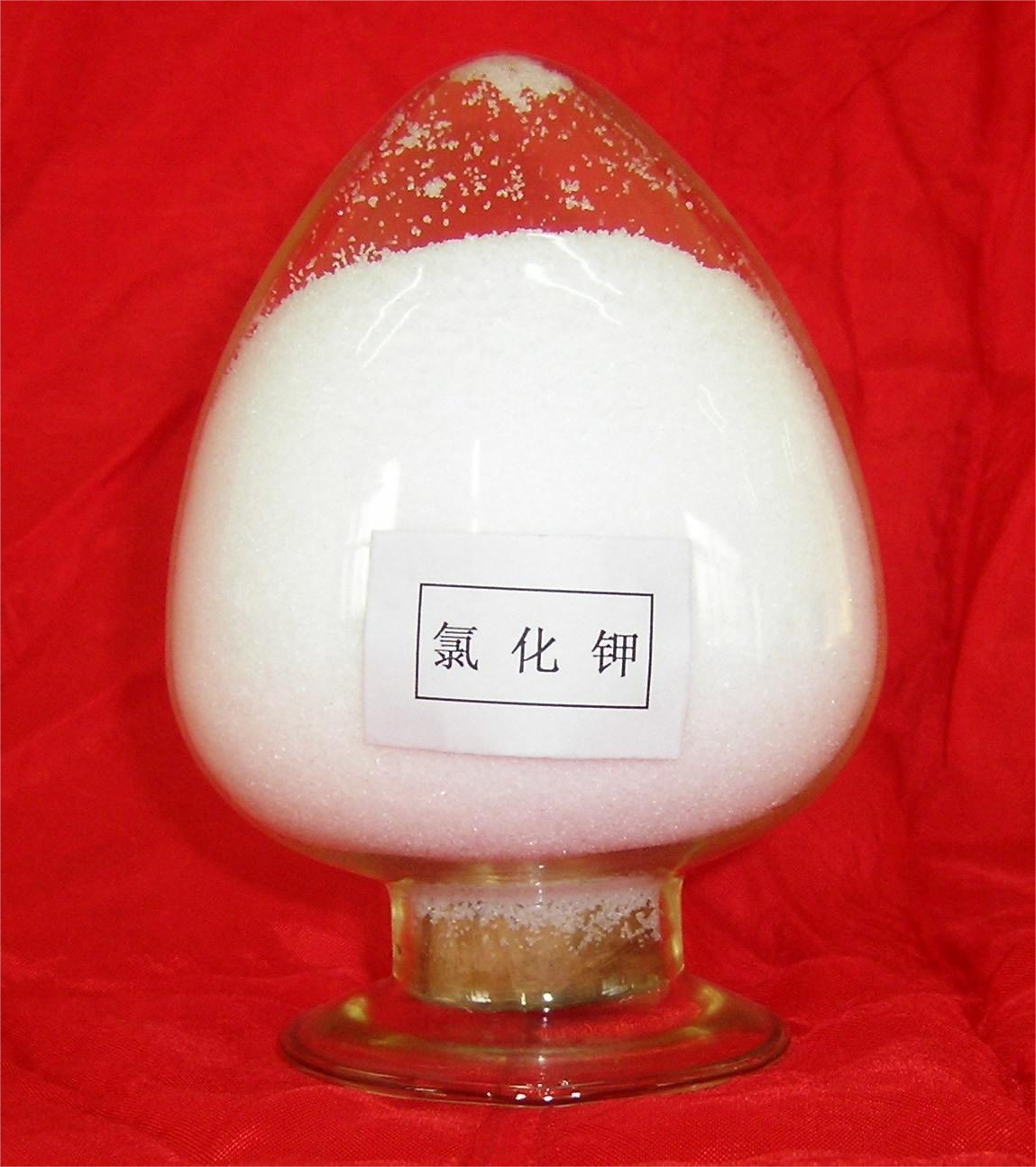
 Potassium Chloride 7447-40-7More +
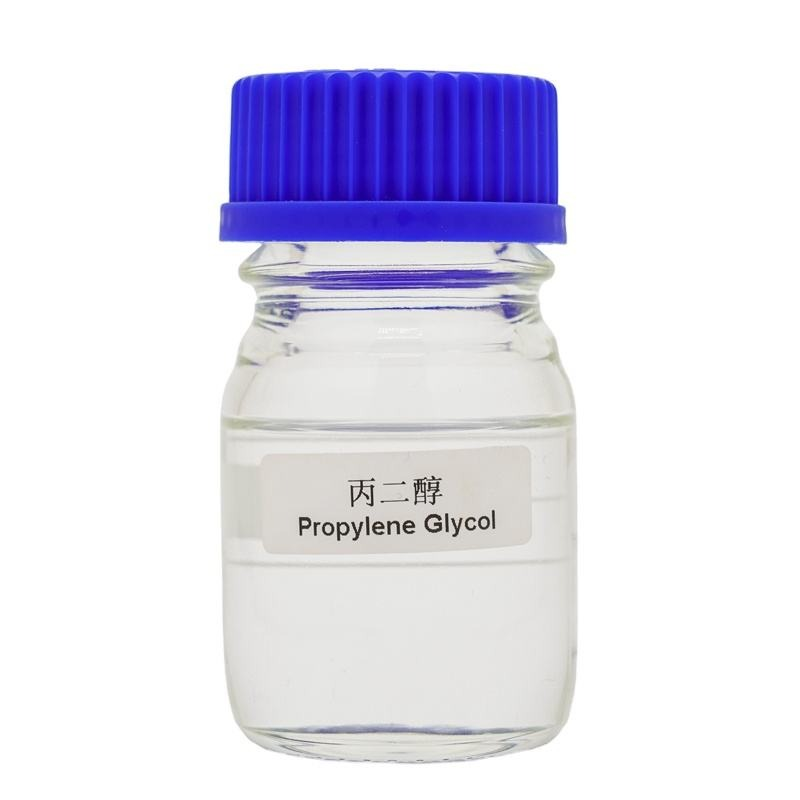
 57-55-6") Propylene Glycol (1,2-propylene glycol) 57-55-6More +
Propylene Glycol (1,2-propylene glycol) 57-55-6More + PTA 100-21-0More +
 Sodium Benzoate 532-32-1More +
 Organic And lnorganic Compound FertilizerMore +