Product Center
Navigation
Product Categories
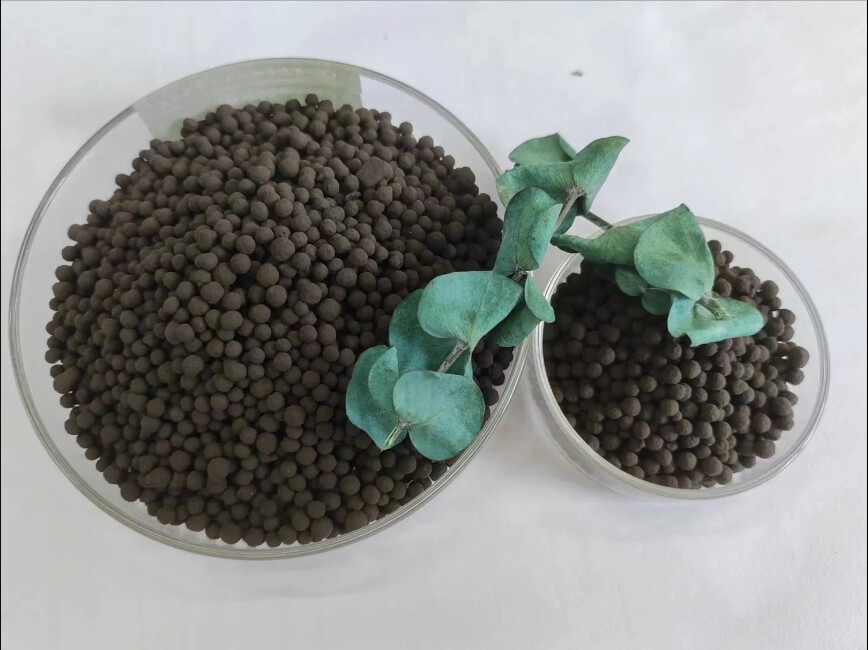
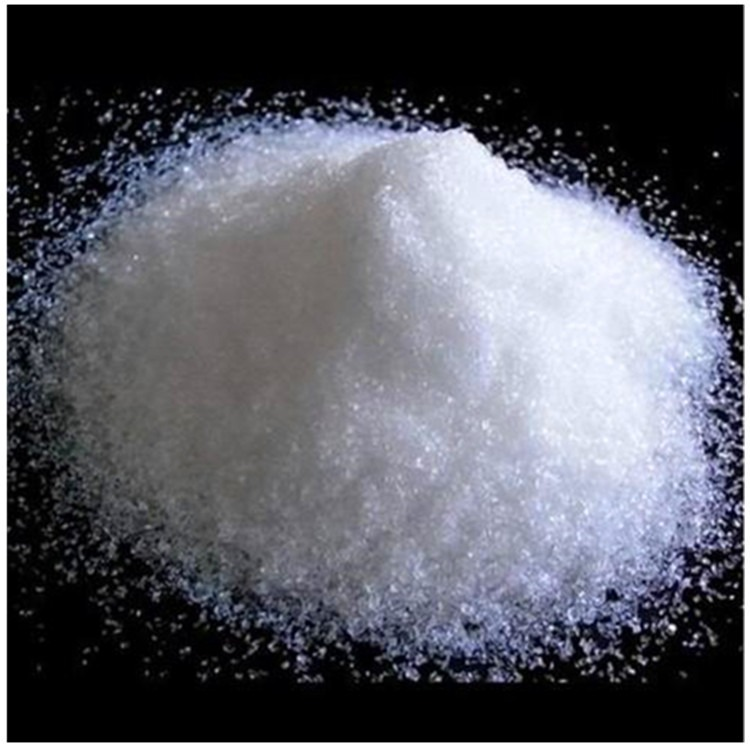
 Potassium Dihydrogen Phosphate 7778-77-0Potassium dihydrogen phosphate (chemical formula KH2PO4) is a high-concentration phosphorus and potassium compound fertilizer with a P2O5 content of 52% and a K2O content of 34%[2]. It has low hygroscopicity, good physical properties, and is easily soluble in water. At 20℃, 23g can be dissolved in 100 ml of water, and the aqueous solution is acidic.
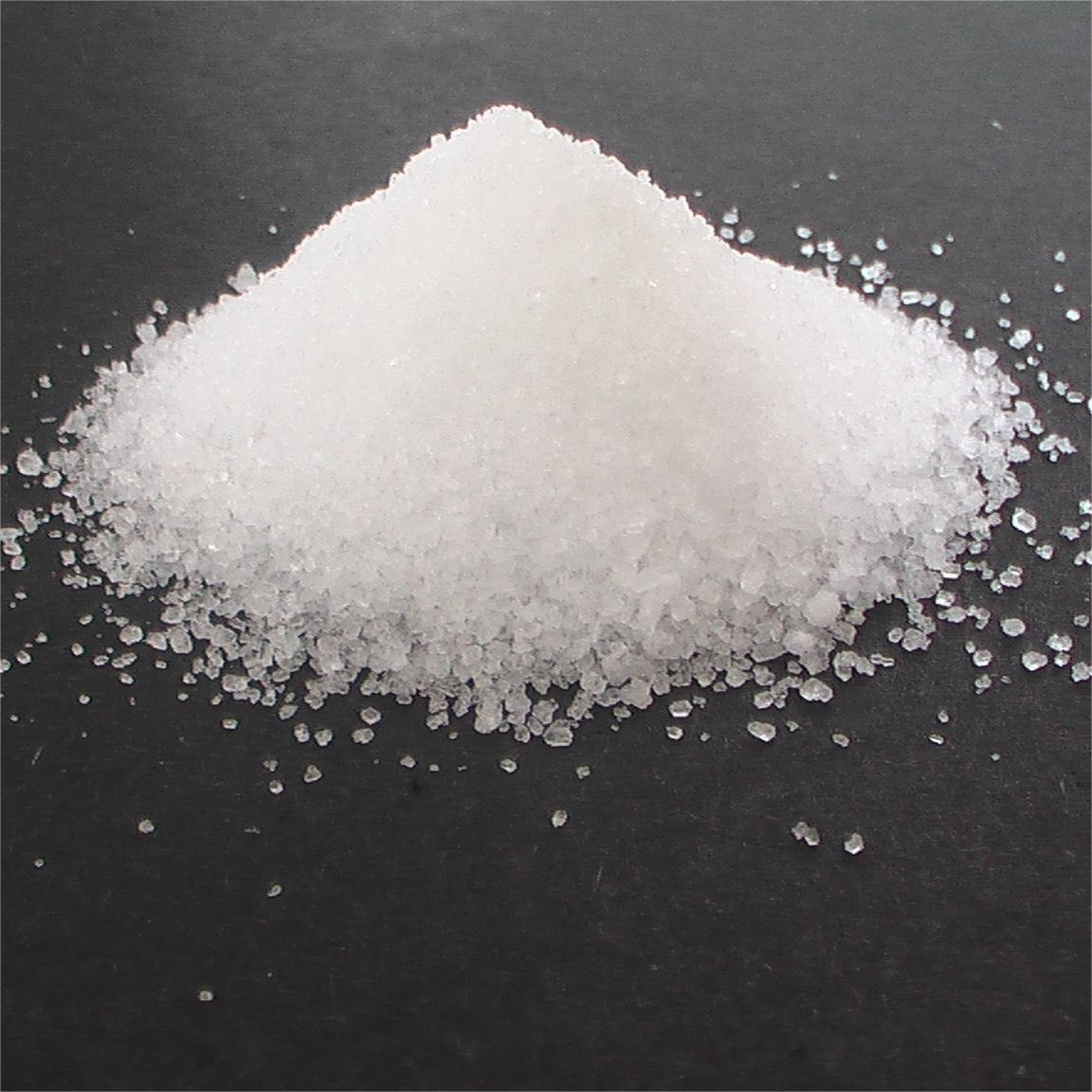
 Ammonium Bicarbonate 1066-33-7Ammonium bicarbonate is a nitrogen-containing chemical fertilizer, abbreviated as ammonium bicarbonate[1], commonly known as gas fertilizer. It is a white powder or lumpy crystal with a slight ammonia odor, a relative density of 1.58, and a melting point of 107.5℃ (rapid heating). It is easily soluble in water, and its aqueous solution is alkaline, but the alkalinity is weak. It is insoluble in ethanol and acetone. It is hygroscopic and clumps easily. It is chemically unstable and slowly decomposes into carbon dioxide, ammonia, and water at room temperature. The decomposition rate increases with increasing temperature and humidity.
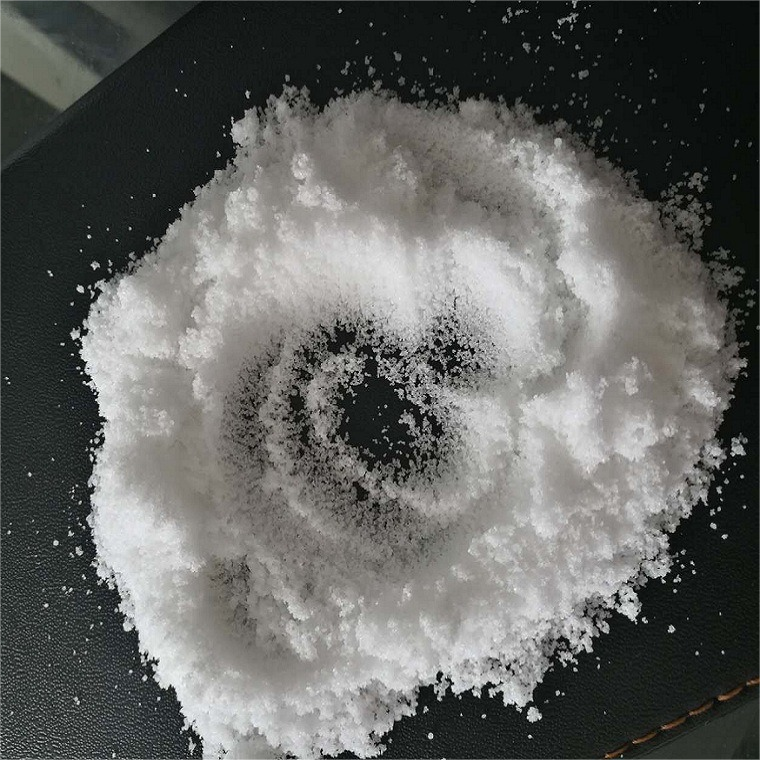
 Diammonium Phosphate 7722-76-1Ammonium dihydrogen phosphate (MAP), also known as monoammonium phosphate, is a white crystalline solid with the chemical formula NH₄H₂PO₄. It has a relative molecular mass of 115.03, a melting point of 180℃, a refractive index of 1.525, and a relative density of 1.803. It is readily soluble in water, slightly soluble in ethanol, and insoluble in organic solvents such as acetone. MAP is relatively stable at room temperature, but decomposes above its melting point, producing a mixture of ammonium metaphosphate and phosphoric acid. At room temperature (20℃), its solubility in water is 37.4 g, and a 0.1 mol/L MAP solution has a pH of approximately 4.0. MAP crystals belong to the tetragonal crystal system, exhibiting a combination of tetragonal prismatic and tetragonal bipyramidal forms (as shown in Figure 1). Its lattice constants are a=b=7.502 Å, c=7.546 Å, and α=β=γ=90°.
Send Us A Message
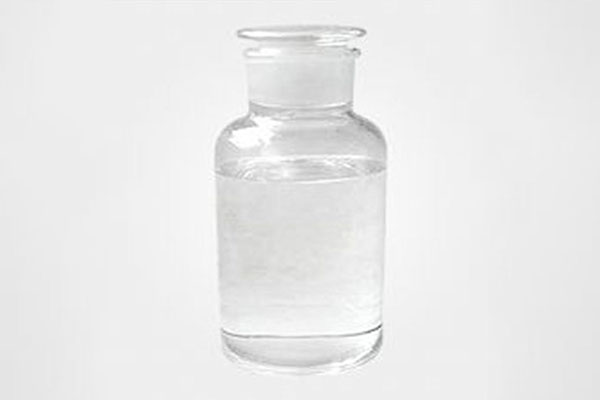
Hydrochloric Acid 7647-01-0
The compound hydrogen chloride has the chemical formula HCl. At room temperature, it is a colorless gas, which forms white fumes of hydrochloric acid upon contact with atmospheric humidity. Hydrogen chloride gas and hydrochloric acid are important in technology and industry. Hydrochloric acid, the aqueous solution of hydrogen chloride, is also commonly given the formula HCl.
WhatsApp:+86 13396407009
Email:admin@yifuchemical.com
Message
PRODUCT PARAMETERS
Chemical Name:Hydrochloric Acid
CAS No.:7647-01-0
Product Categories:Inorganic Chemistry
Molecular Formula:ClH
Formula Weight:36.46
Appearance:Colourless Liquid
Packaging Method:200kg/Drum
Type Of Transportation:By Air/By Sea/By Train/By Express
Sample:Available
Chemical Properties Of Hydrochloric Acid 7647-01-0
Safety Information Of Hydrochloric Acid 7647-01-0
Product Application Of Hydrochloric Acid 7647-01-0
- Hydrochloric acid is one of the most important industrial chemicals and has numerous applications. Both anhydrous hydrogen chloride and aqueous acid are used to produce a large number of chloride salts.
- The acid also is a common laboratory reagent. Some major applications of hydrochloric acid include processing of ores and extraction of metals from their minerals; in metal cleaning, particularly in steel pickling to dissolve oxide impurities; production of alumina, titanium dioxide, and other metal oxides by various hydrometallurgical processes; production of hydrogen; synthesis of chlorine dioxide; removal of heavy metal impurities from carbon black; activation of bentonite clays; etching of concrete surfaces for finishing operations; and as a catalyst in several organic reactions such as inversion of sugar, hydrolysis of starch to obtain sugar syrup, and esterification of aromatic acids.
- Anhydrous hydrogen chloride gas is used to produce phosphonium chloride, PH4Cl, which is a flame retardant for cotton textiles. Other major applications include manufacture of a number of high purity metal chlorides, ammonium chloride, chlorosulfuric acid; recovery of waste metals; preparation of alkyl chlorides and chloroacetic acids; and as a chlorinating agent in organic syntheses.
- Rubber hydrochloride, which results from the treatment of natural rubber with hydrogen chloride, can be cast in film from solutions. Such rubber hydrochloride films provide a strong, water resistant packaging material for meats and other foods, paper products, and textiles.
PRODUCT DISPLAY
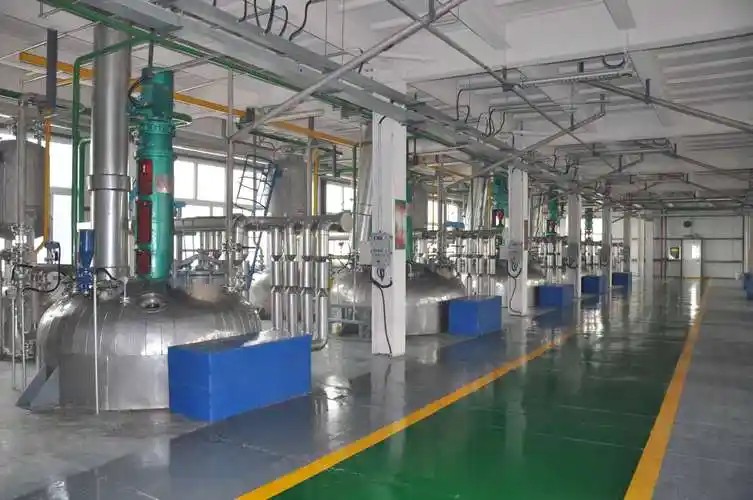
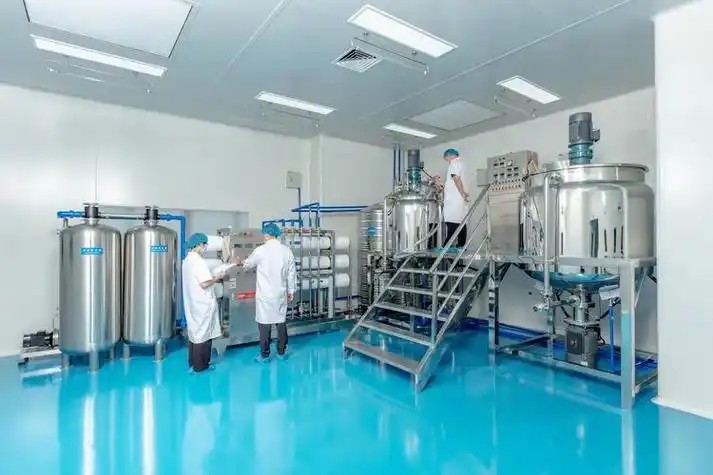
FACTORY DISPLAY
FAQ
Q:
How can I obtain more information or begin business discussions?
A:
We offer several convenient ways to contact you. Please visit our official website and contact us through any of the contact methods displayed on the site (such as online form, email, telephone, etc.). Our professional team will respond to your inquiries as soon as possible and provide you with full support.
Q:
What are the main advantages of partnering with your company?
A:
Professionalism and Focus: Deeply rooted in the chemical foreign trade sector, with strong market insight.
Resource Network: Stable and high-quality domestic supply chain.
Reliable Quality: Comprehensive quality control processes.
Efficient Service: Experienced team providing one-stop service, with smooth and efficient communication.
Guaranteed Reputation: Based on integrity, pursuing long-term win-win cooperation.
Resource Network: Stable and high-quality domestic supply chain.
Reliable Quality: Comprehensive quality control processes.
Efficient Service: Experienced team providing one-stop service, with smooth and efficient communication.
Guaranteed Reputation: Based on integrity, pursuing long-term win-win cooperation.
Q:
Do you handle export logistics and customs clearance?
A:
Yes. We provide end-to-end logistics services from Chinese ports (depending on the selected trade terms) and handle export customs clearance within China. We can recommend reliable freight forwarders according to customer requirements to ensure safe and timely shipment of goods.
Q:
What trade terms and payment methods do you support?
A:
We support common international trade terms (such as FOB, CIF, CFR, etc.). Payment methods typically include secure and reliable settlement methods such as Letter of Credit (L/C) and Telegraphic Transfer (T/T), which are negotiable.
Q:
What is your typical delivery time?
A:
Delivery time depends on the specific product's inventory, production cycle, and order quantity. We will provide an accurate time estimate after receiving your detailed requirements.
Q:
How to inquire about prices and obtain samples?
A:
You can contact us via our website, email, or phone, providing the specific product name, CAS number, specifications, and quantity. For qualified inquiries, we can coordinate sample delivery (related costs are negotiable according to company policy).
Q:
How do you guarantee product quality?
A:
We have a strict quality management system:
Source control: We carefully select our suppliers to ensure they have reliable production qualifications and stable quality systems.
Process control: We can arrange factory inspections or third-party testing to ensure products meet contract standards and relevant international requirements.
Complete documentation: We provide the necessary quality certification documents, such as COA (Certificate of Analysis).
Source control: We carefully select our suppliers to ensure they have reliable production qualifications and stable quality systems.
Process control: We can arrange factory inspections or third-party testing to ensure products meet contract standards and relevant international requirements.
Complete documentation: We provide the necessary quality certification documents, such as COA (Certificate of Analysis).
Q:
Can you provide customized products or meet special specifications?
A:
Yes. We cooperate deeply with many high-quality manufacturers and can find or coordinate the production of products that meet specific customer needs, providing customized procurement solutions.
Q:
What are your main exported chemical products?
A:
Our product range is extensive, including but not limited to various basic chemical raw materials, fine chemicals, specialty chemicals, and intermediates. Please contact us for detailed product information.
Q:
What are the company's main markets and customer groups?
A:
Our products are exported to many countries and regions in Europe, North America, South America, Southeast Asia, and the Middle East. Our customers cover companies in various industries, including fine chemicals, pharmaceuticals, pesticides, dyes, electronic materials, and new materials manufacturing.
Q:
What kind of company is Jinan Yifu Chemical Co., Ltd.?
A:
We are a professional foreign trade company specializing in the export of chemical products, headquartered in Jinan, China. We are committed to integrating high-quality domestic chemical product resources to serve customers in the global market.
PLEASE CONTACT US
PRODUCT RECOMMENDATION
 Potassium Dihydrogen Phosphate 7778-77-0More +
 Ammonium Bicarbonate 1066-33-7More +
 Diammonium Phosphate 7722-76-1More +
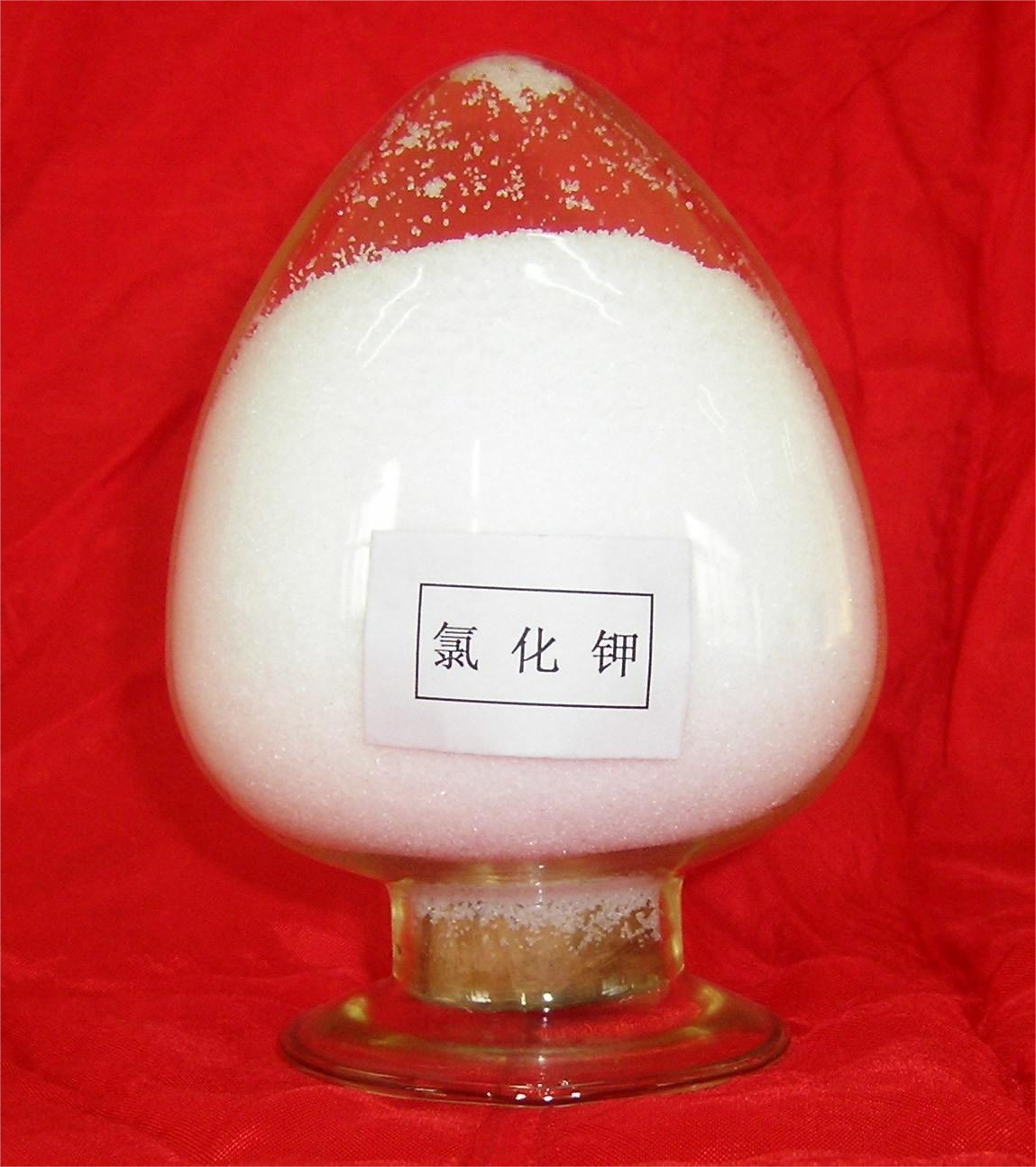
 Potassium Chloride 7447-40-7More +
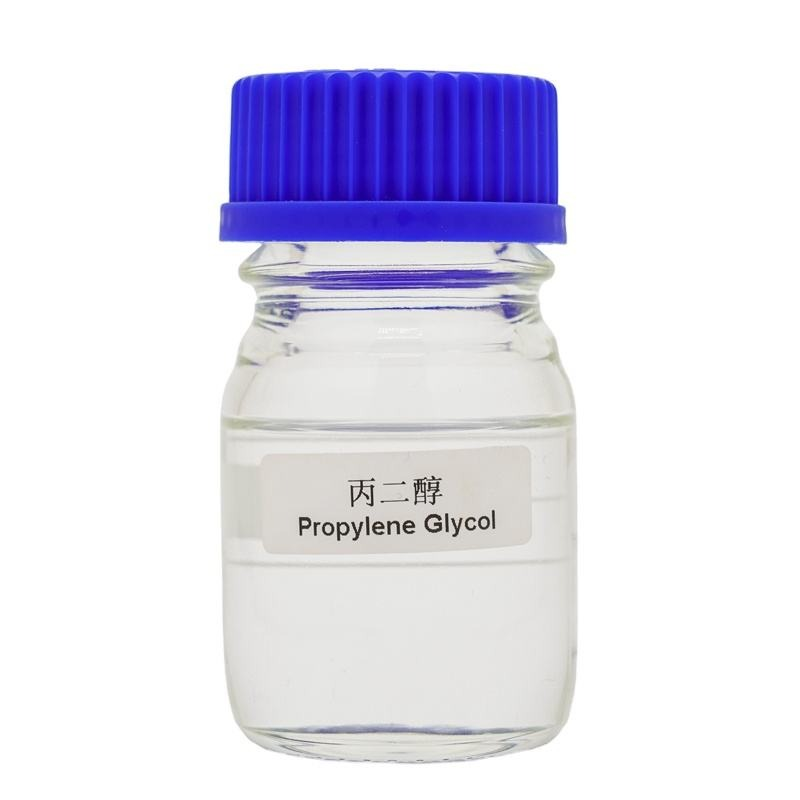
 57-55-6") Propylene Glycol (1,2-propylene glycol) 57-55-6More +
Propylene Glycol (1,2-propylene glycol) 57-55-6More + PTA 100-21-0More +
 Sodium Benzoate 532-32-1More +
 Organic And lnorganic Compound FertilizerMore +